


As is often the case in the world of wine, no grape should ever be dismissed before it has been truly understood — explored across different terroirs and guided toward its finest expression. Carignano is a perfect example. It is a vigorous, generous, and late-ripening variety that requires careful vineyard management to control its exuberance and highlight its strengths. When mishandled, it can show a slight bitterness on the finish; yet when approached intelligently, that very nuance becomes part of its elegance and identity.
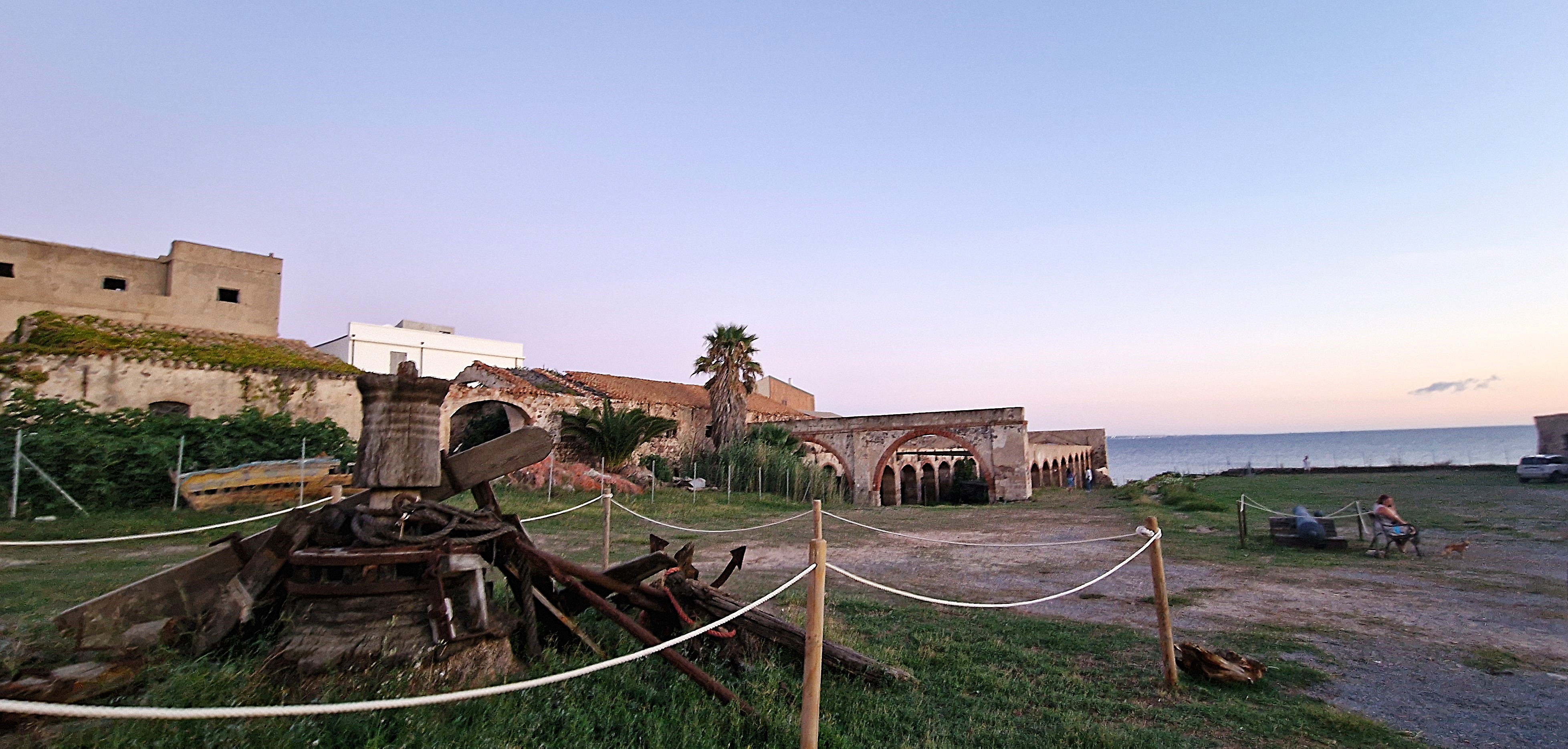
CMSB – tonnara
To truly understand Carignano, one must not miss Sulcis — the far southwest of Sardinia, where sea, wind, and sand come together to shape not only a grape but a culture. Here grows the Italian version of Carignan, an international grape that finds in Sulcis one of its most authentic and complete expressions.
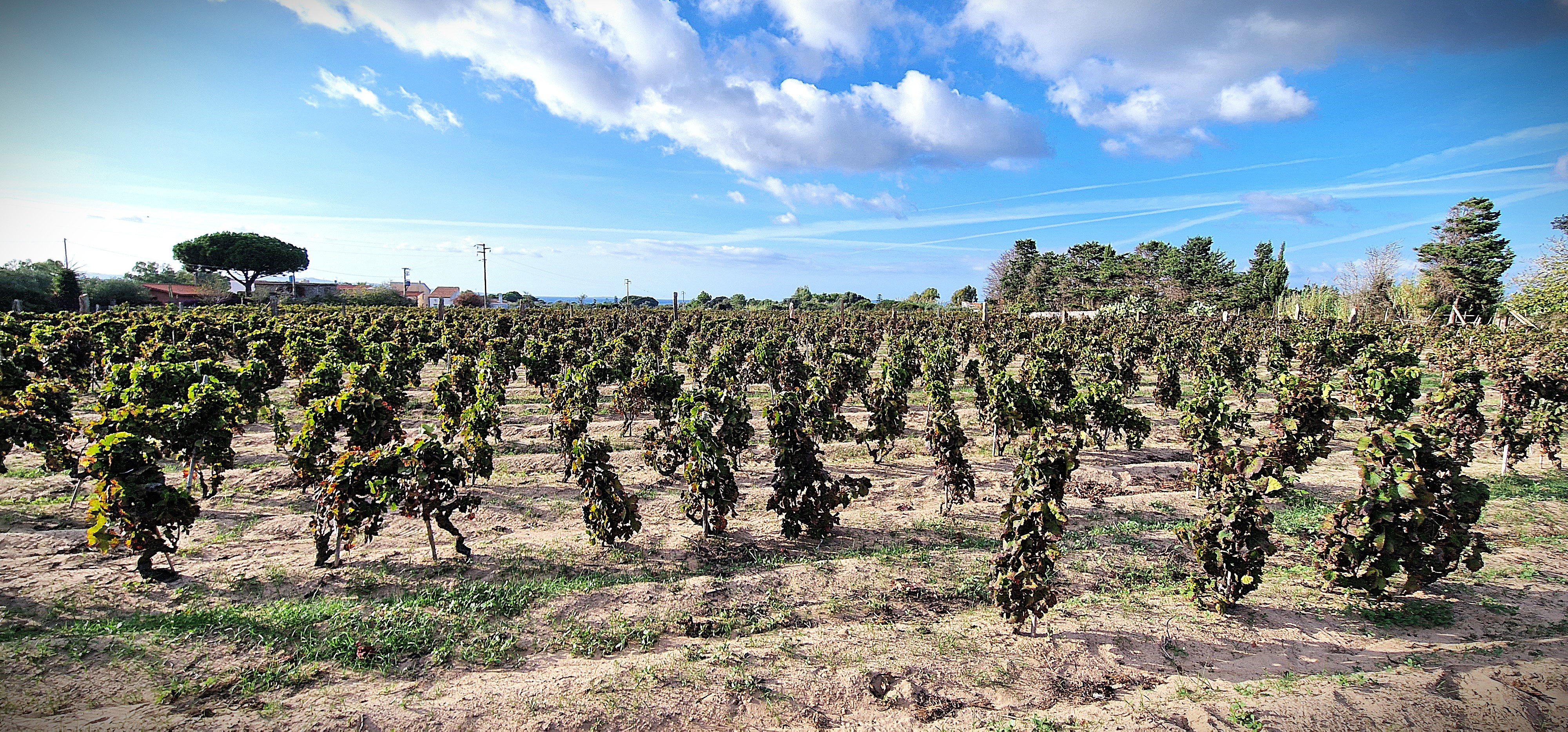
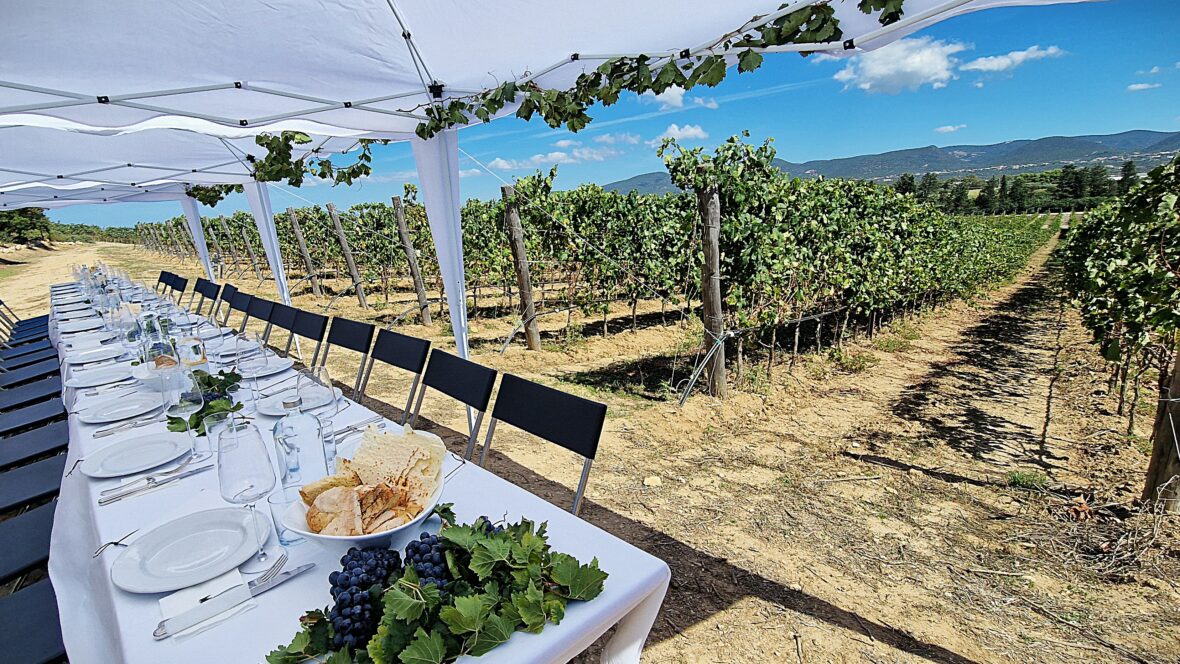
carignano del sulcis – ugrafted vines with piede franco winery
Known as Carignan in France and Cariñena in Spain, this variety has often played a supporting role, valued for color and structure rather than personality. But in Sulcis, it finally takes center stage. Ungrafted vines, rooted in sandy soils and caressed by the mistral, produce grapes of great concentration and natural freshness. The result is a dense, profound wine, where intensity meets grace and that subtle bitterness turns into persistence and character. Whether in confidently structured rosés or in powerful, layered reds, Carignano del Sulcis shows that Italy may hold the most intriguing version of this ancient grape.
After years of highs and lows — from vine-pull campaigns and agricultural policies directed elsewhere to a time when quantity often outweighed identity — Sulcis is now experiencing a new season of renewed quality and territorial focus. A new generation of producers, together with the historic cooperatives, is rediscovering the region’s viticultural roots, focusing on authenticity, old vines, and sustainable practices.
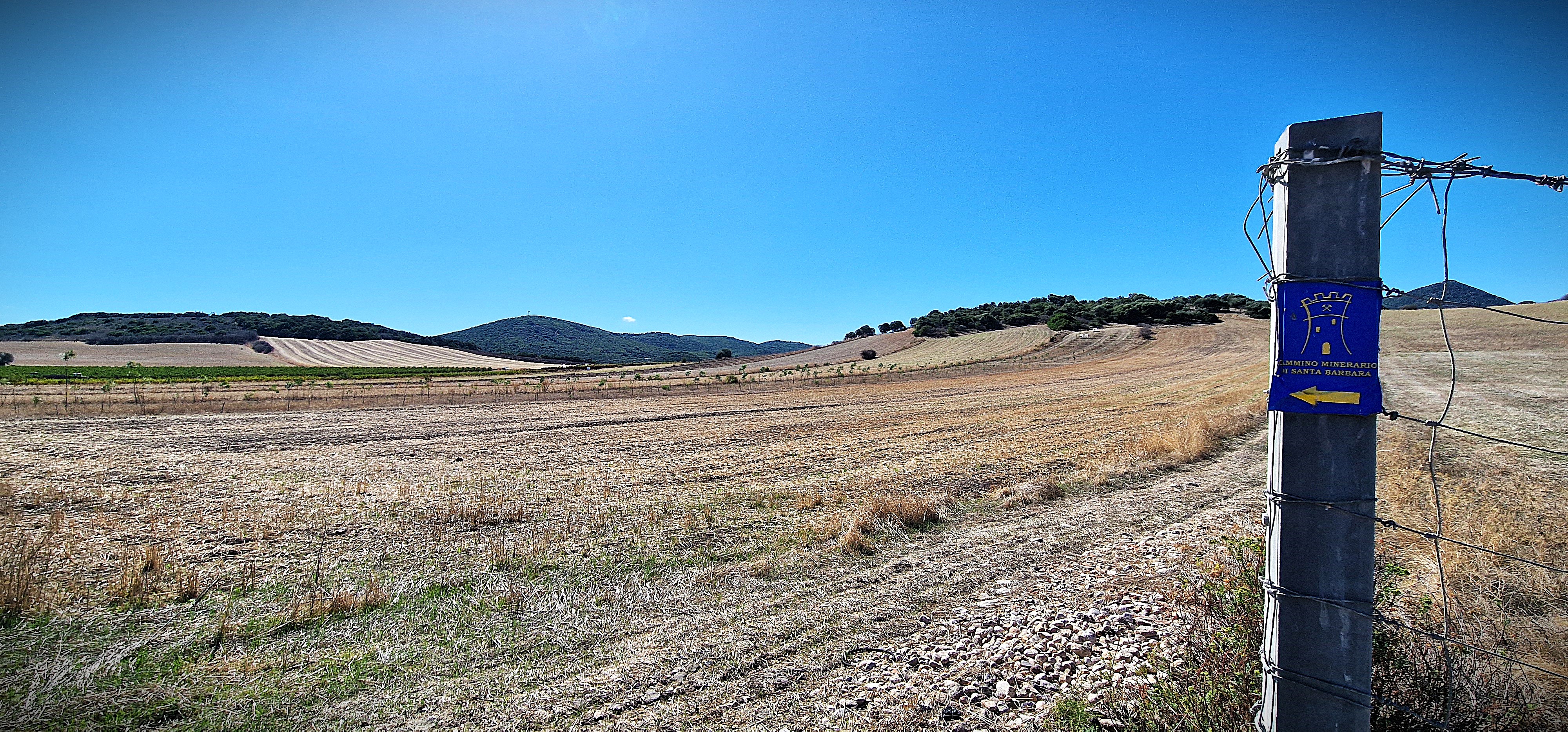
CMBS – carignano del sulcis
I had the opportunity to explore this renaissance through the Cammino Minerario di Santa Barbara (CMSB), a visionary project that unites the many souls of Sulcis: its mines and coasts, vineyards and people, history, tuna fisheries, and hospitality. With the goal — and the merit — of connecting the area’s many forms of excellence, the Cammino offers a complete wine tourism experience, where landscape and culture are told, quite literally, through the glass.
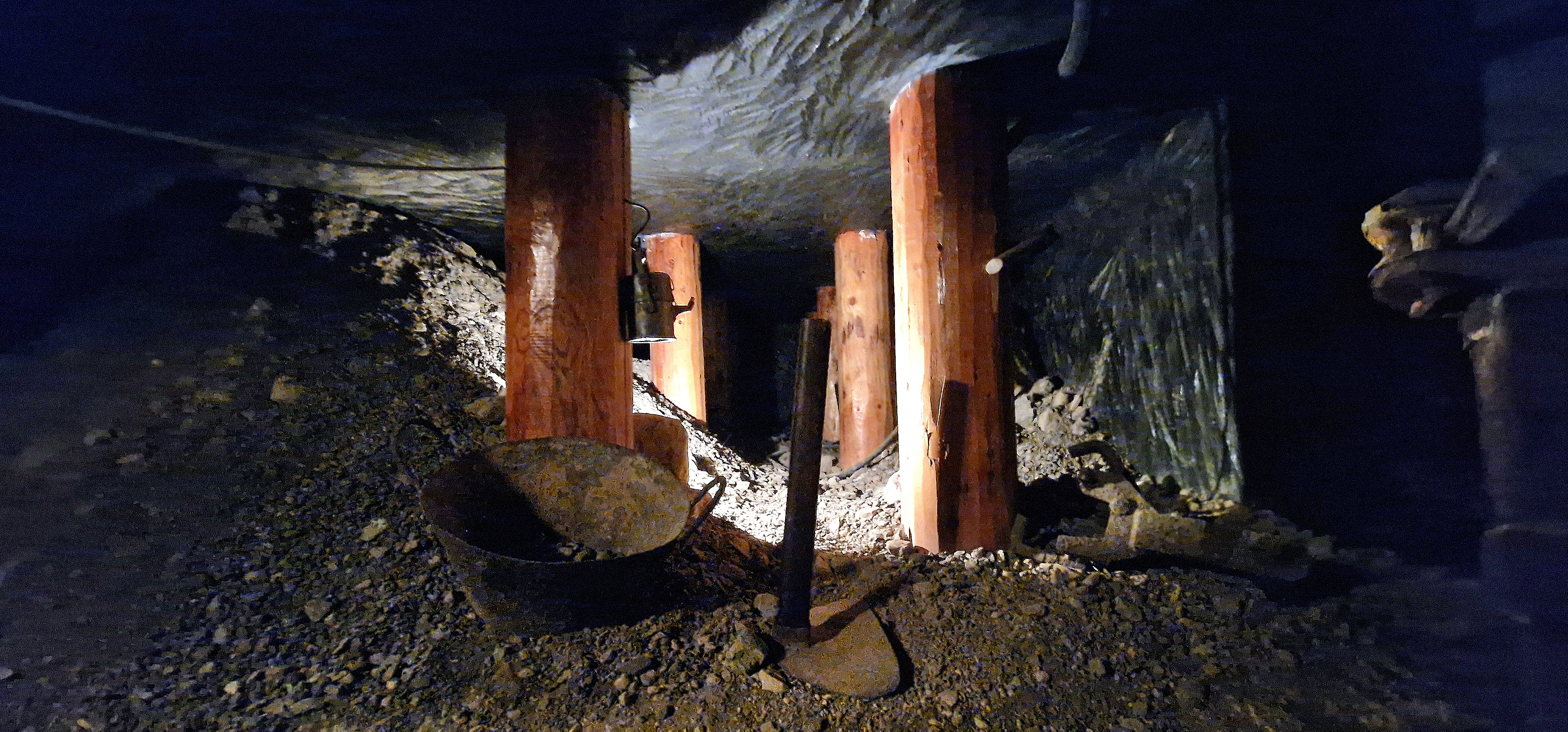
CMBS – coal mines
This journey led me to discover some of the most representative wineries of the region — from large cooperatives to small artisanal producers — each with its own interpretation of Carignano del Sulcis.
Cantina Mesa – Sant’Anna Arresi
Created with the idea of telling Sardinia through simplicity and beauty, Mesa today belongs to the Herita Marzotto Wine Estate group, which has invested with intelligence and sensitivity in this corner of the island. The result is a collection of precise yet authentic wines, where technical mastery never stifles soul. Mesa amplifies the echo of a strong, distinctive land, transforming Carignano into a contemporary classic — set within a uniquely rich geographical and cultural context.
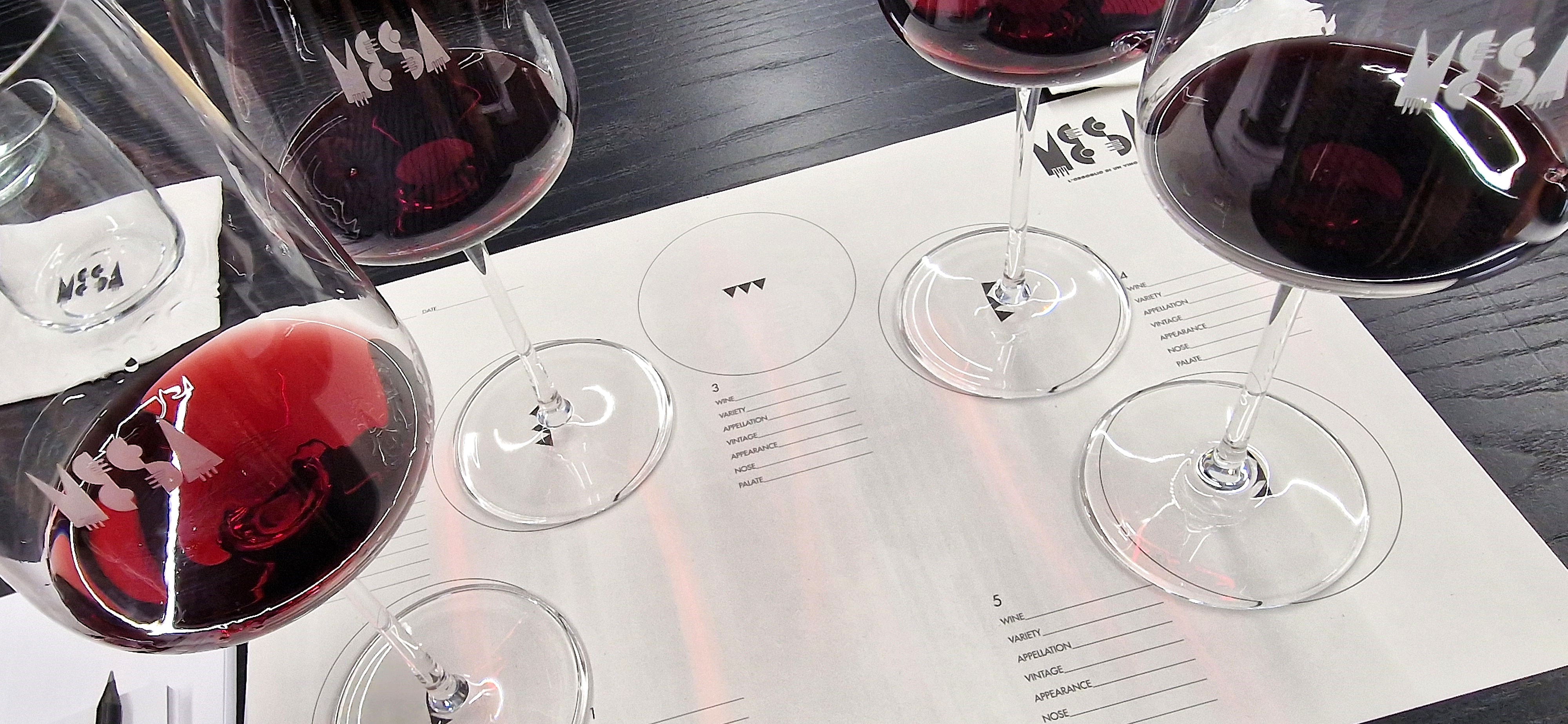
carignano del sulcis – mesa
Azienda Agricola Piede Franco – Sant’Antioco
The decision to call the estate “Piede Franco” — the Italian term for ungrafted vine — perfectly sums up Roberto Matzeu’s philosophy. His vineyards, bush-trained and just a few steps from the sea, are alive and authentic, cultivated with respect and passion. Each bottle tells a story of sand, salt, and resilience. His engaging way of communicating the territory, along with refined and evocative labels, adds charm and coherence to a sincere and deeply personal project.
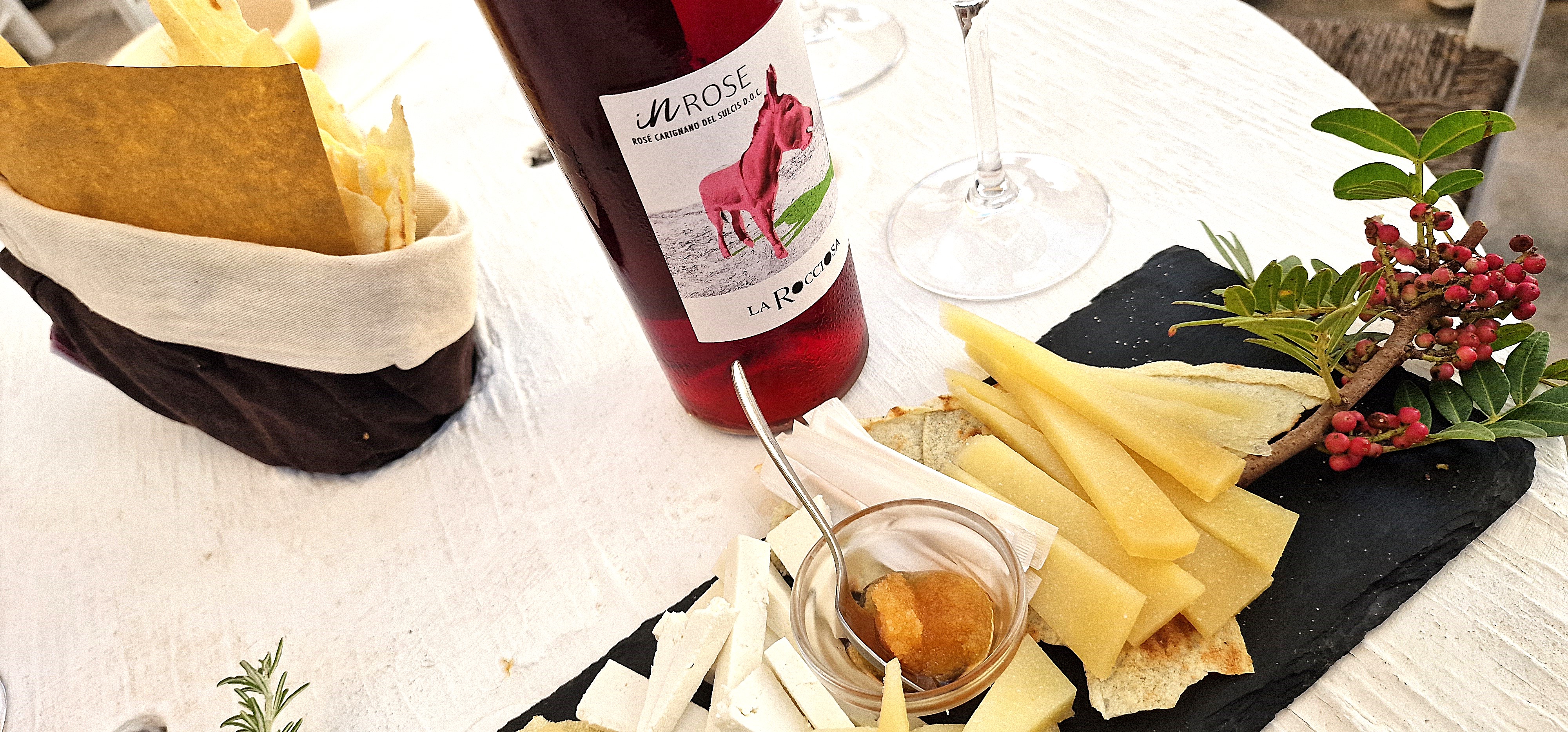
carignano del sulcis – la sabbiosa
Tenuta La Sabbiosa – Sant’Antioco
A reference point for many small producers on the island, La Sabbiosa offers a fully equipped and efficient facility where others can vinify and bottle their own wines. Under the guidance of Tessa Gelisio, who combines professional expertise with natural communication skills, the estate embodies the spirit of collaboration and environmental respect that defines the new Sulcis. Its wines are vibrant, saline, and transparent in message, a pure reflection of place.
the video with the charismatic owner here
Cantina Sardus Pater – Sant’Antioco
Founded in the 1940s, Sardus Pater is one of the historic cooperatives of Sulcis and a social and economic pillar for local growers. Like other cooperatives, it gives small producers the means to survive and grow, ensuring continuity and identity. With labels such as Is Arenas and Amantos, the winery preserves the authentic soul of Carignano, proving that cooperation and excellence can coexist in balance and success.
Cantina di Calasetta – Sant’Antioco
Founded in 1932, Calasetta is another cornerstone of Sulcis viticulture. Alongside its traditional Carignano production, the winery has created the “Cala di Seta” line, which recalls another excellence of the area: sea silk, once obtained from the filaments of the Pinna nobilis. A name that evokes craftsmanship and elegance — qualities mirrored in the wines themselves, which weave together tradition and modernity in a coherent, contemporary story.
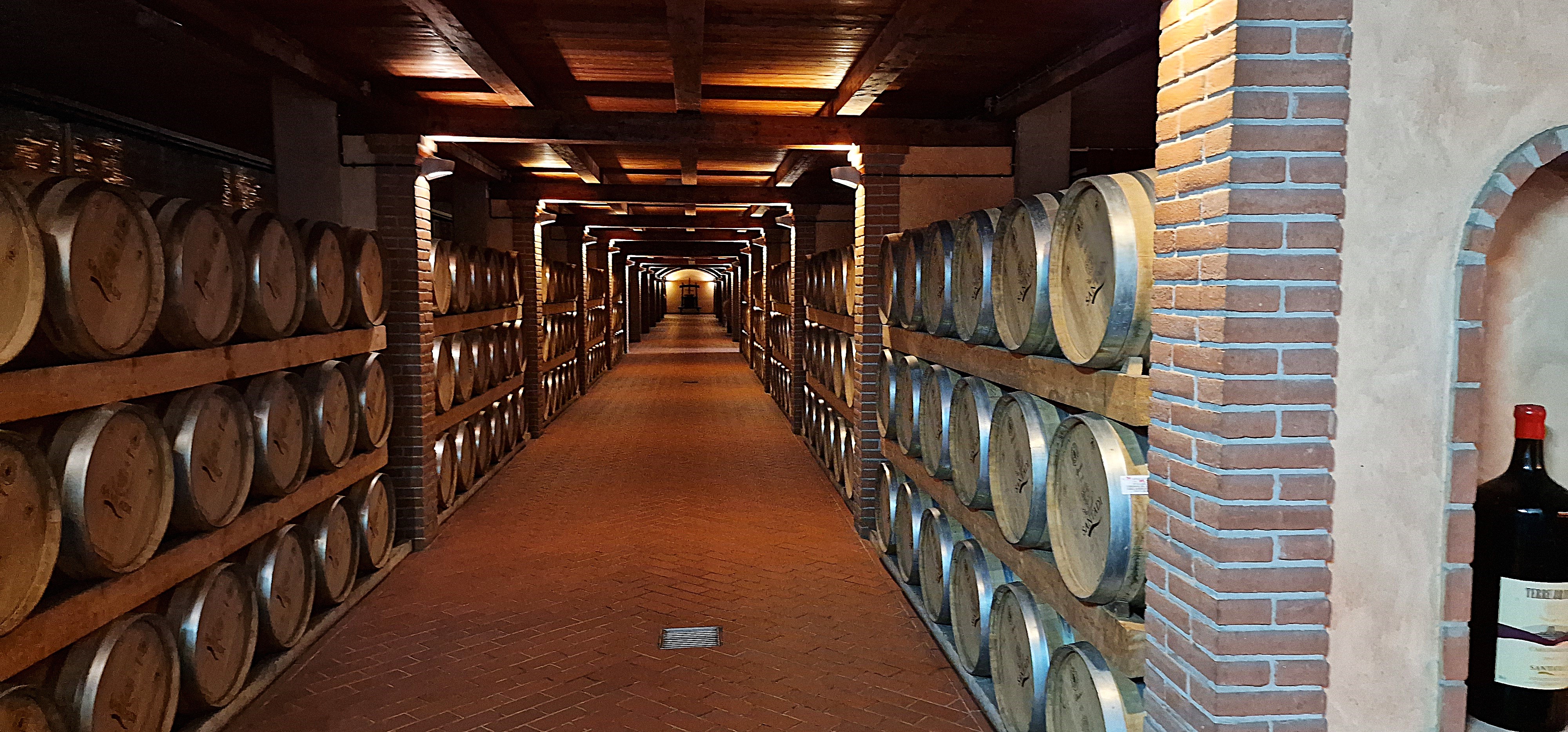
carignano del sulcis – santadi
Cantina di Santadi – Santadi
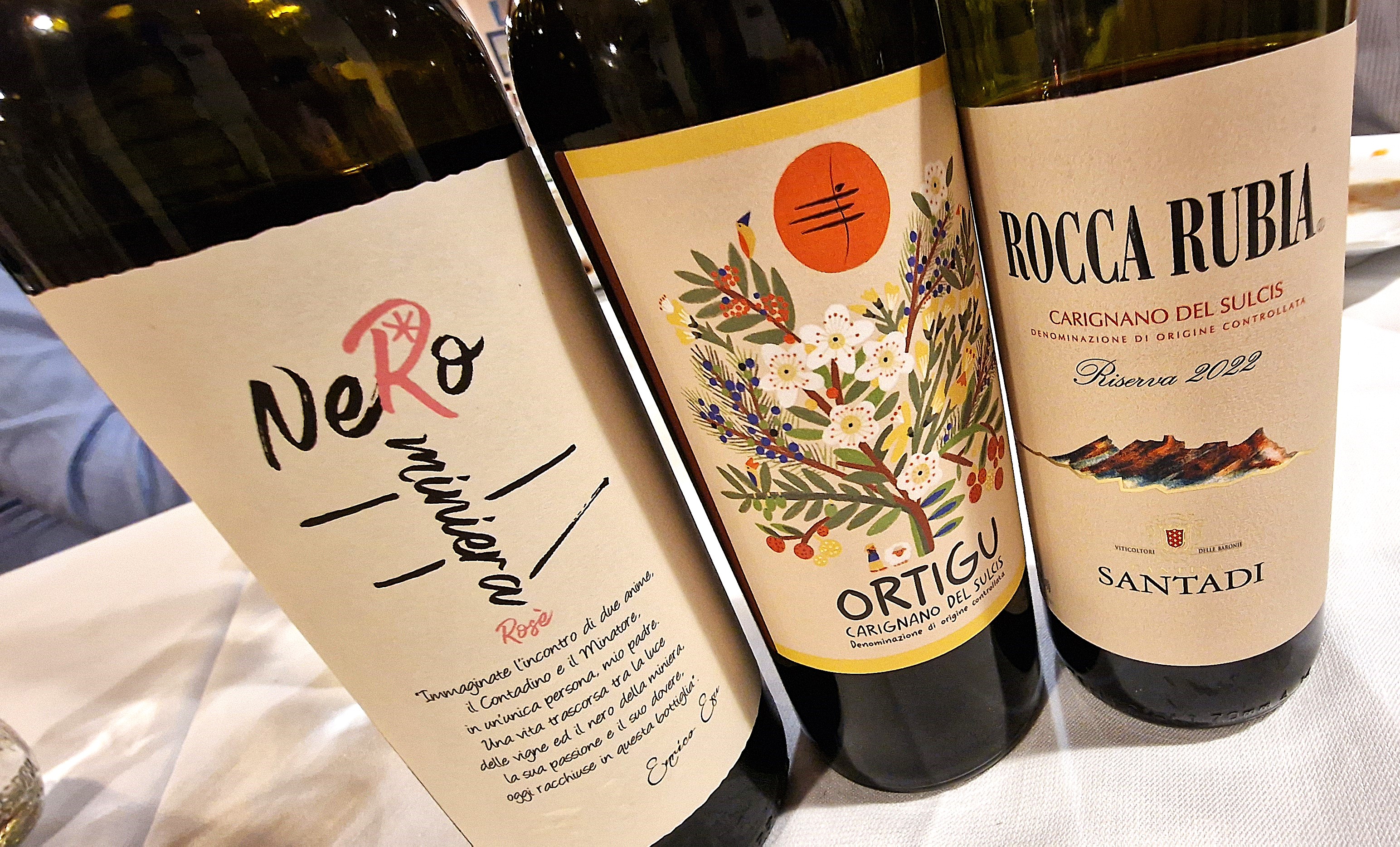
Pioneers of Carignano del Sulcis, the producers of Cantina di Santadi have, over time, explored every nuance of the variety especually thanks to the iconic Terre Brune. Their labels — Grotta Rossa, Rocca Rubia, Terre Brune — are benchmarks of style and consistency. The cooperative’s success is founded on a blend of tradition, technical skill, and vision. Among them, I particularly loved Floris, a rosé that captures the freshness and minerality of the area, offering a lighter yet equally authentic expression of the Sulcis spirit.
carignano del sulcis – vini
Cantina Eural Sulcis – Portoscuso
A relatively new winery, yet one of the most convincing tastings of the trip. Eural Sulcis stands out for balance, freshness, and sincere expression. The handcrafted labels, each slightly different, add a human and poetic touch — a mirror of the care poured into each bottle. Atobiu and Origu convey a modern, precise, and territorial Carignano — forward-looking but deeply rooted.
Cantina Esu – Portoscuso
The wines of Esu have a natural strength: captivating without excess, expressive yet guided by a sure and measured hand. The Nero Miniera wines, both red and rosé, translate the flavor and depth of Sulcis soils into the glass, proving that elegance often stems from discretion rather than power.
Conclusion
Traveling through Sulcis means walking through the living history of Carignano — from ancient bush-trained vines to young winemakers rewriting its future. What emerges is a region that has found its voice again: proud, authentic, and aware of its worth. Carignano del Sulcis is no longer a hidden treasure, but the symbol of a reborn identity, where the hardness of the land meets the grace of the glass.