


The wines from resistant varieties, called PIWI, are becoming more and more popular also in Italy especialy in Nothern Italy also due to the climate change.
Fondazione Mach, the prestigious foundation, research center and school, is a reference in Italy and 4 years ago has launched a wine contest only dedicated to these wines also to check the quality level.
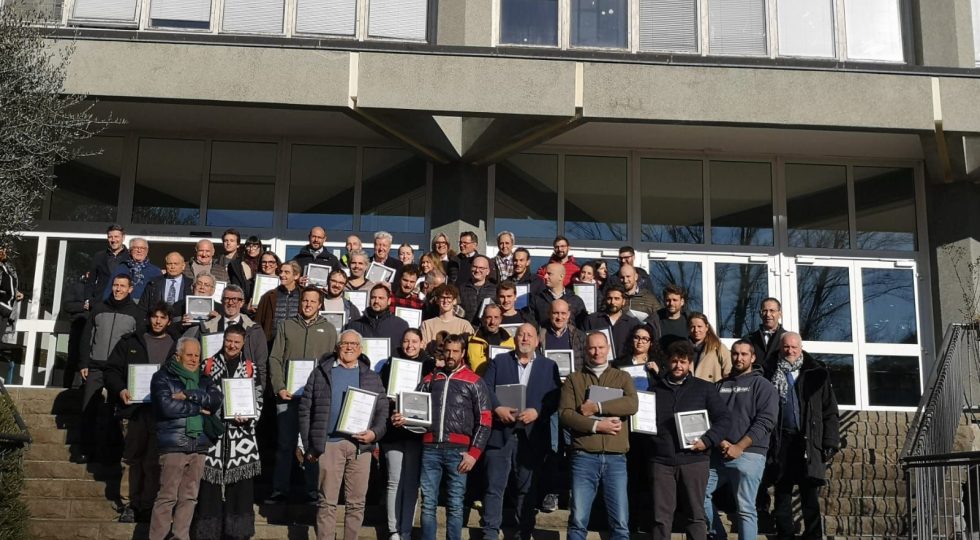
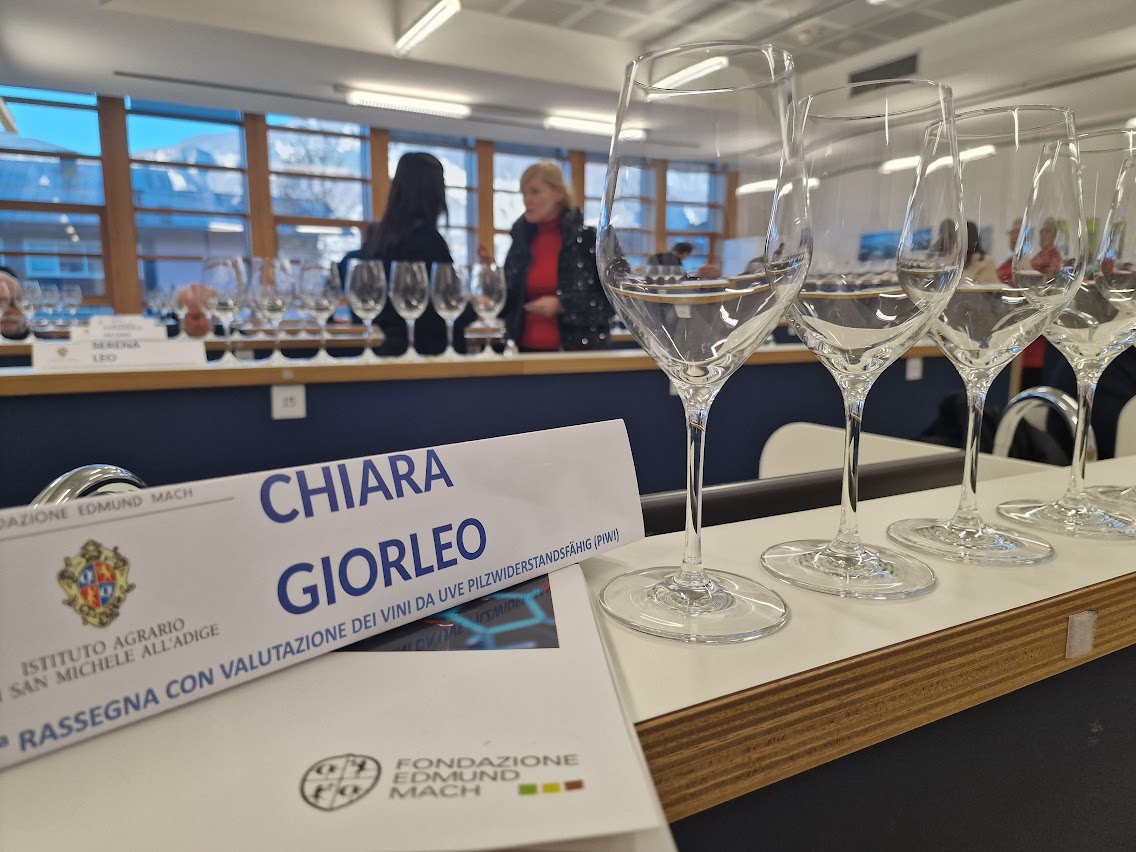
With 148 participating labels, 90 companies from all over Italy, seven categories, two days of tastings, 30 judges, 15 students of the winemaking course supporting the event, the fourth national exhibition of piwi wines organized by the Edmund Mach Foundation in Trentino Alto Adige has just concluded. The fifth edition will be open to foreign wineries. The announcement was made today by the FEM President, Mirco Maria Franco Cattani during the awards ceremony that saw the participation of internationally renowned experts in the field of resistant wines.
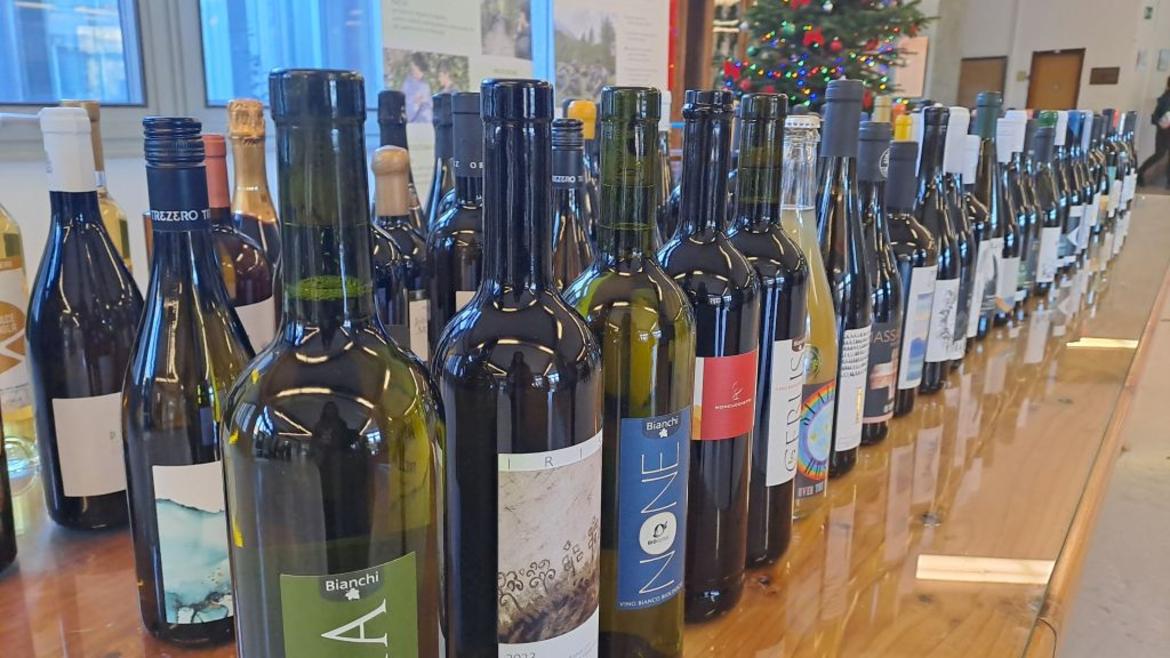
My personal opinion, after the blind tastings as a member of the judging panel, is very encouraging for the category of still white wines: several interesting references regardless of the stylistic signature of the individual producers; less good, on average, I found the orange wines as well as the aggressive semi-sparkling wine. I also appreciated the sparkling wines from both methods, even the ones from charmat method were less persistant but balanced and ‘pleasant. On average, the reds are more difficult: in this category I find greater disparity between the samples, too often the acidity (which can be typical in these varieties, especially the tartaric one) is not integrated. Moreover, too often the quality of the woods used for maturation seems poor but this would seem to be the lesser problem both because it would concern the winemaking practices (perhaps also in a broader framework of experimentation with unknown vines with which any producers will be more familiar with in future) and because many of the judges who were already present in the previous editions told me they have already noticed an increase in quality.
THE WINNERS
Semi-sparkling wines
Terzo posto – Azienda Agricola Michele Sartori – Crun 2023
Secondo posto – Maso Bergamini – Sgris 2023
Primo posto – Azienda Agricola Ceste Beefour
Sparkling wines (Martinotti method)
Terzo posto – Cantina Colli del Soligo – Johanniter vino spumante brut 2023
Secondo posto – Azienda Agricola Filanda de Boron – Lauro 2023
Primo posto – Le Carline – Spumante dolce Resiliens BIO vegano s/a
Sparkling wines (classic method)
Terzo posto – Villa Persani – Candido 2020
Secondo posto – Pravis – Narà 2021
Primo posto – Società Agricola Martignago – Rosato dosaggio zero 36 mesi 2020
White wines
Terzo posto – Francesco Poli – Naranis 2021
Secondo posto – Società Agricola AVA – Lastramor 2023
Primo posto – Terre di Ger Limine Bianco IGP Venezia Giulia 2023
Orange wines
Terzo posto – Lieselehof – Julian Orange 2021
Secondo posto – Società Agricola Giannitessari – Rebellis 2022
Primo posto – Schmid Oberrautner – Spur IGT 2023
Dessert wines
Terzo posto – Azienda Agricola Cavalli Faletti – Solarino 2023
Secondo posto – Nove Lune di Alessandro Sala – Theia 2023
Primo posto – De Pieri – Dolce Paola IGT Veneto 2022
Red wines
Terzo posto – Ronco della Cava – Patior 2022
Secondo posto – Tenuta Gambalonga – Merlot Khorus 2023
Primo posto – Parco del Venda – Cigno Nero 2023