


English sparkling wines are now far from a curiosity.
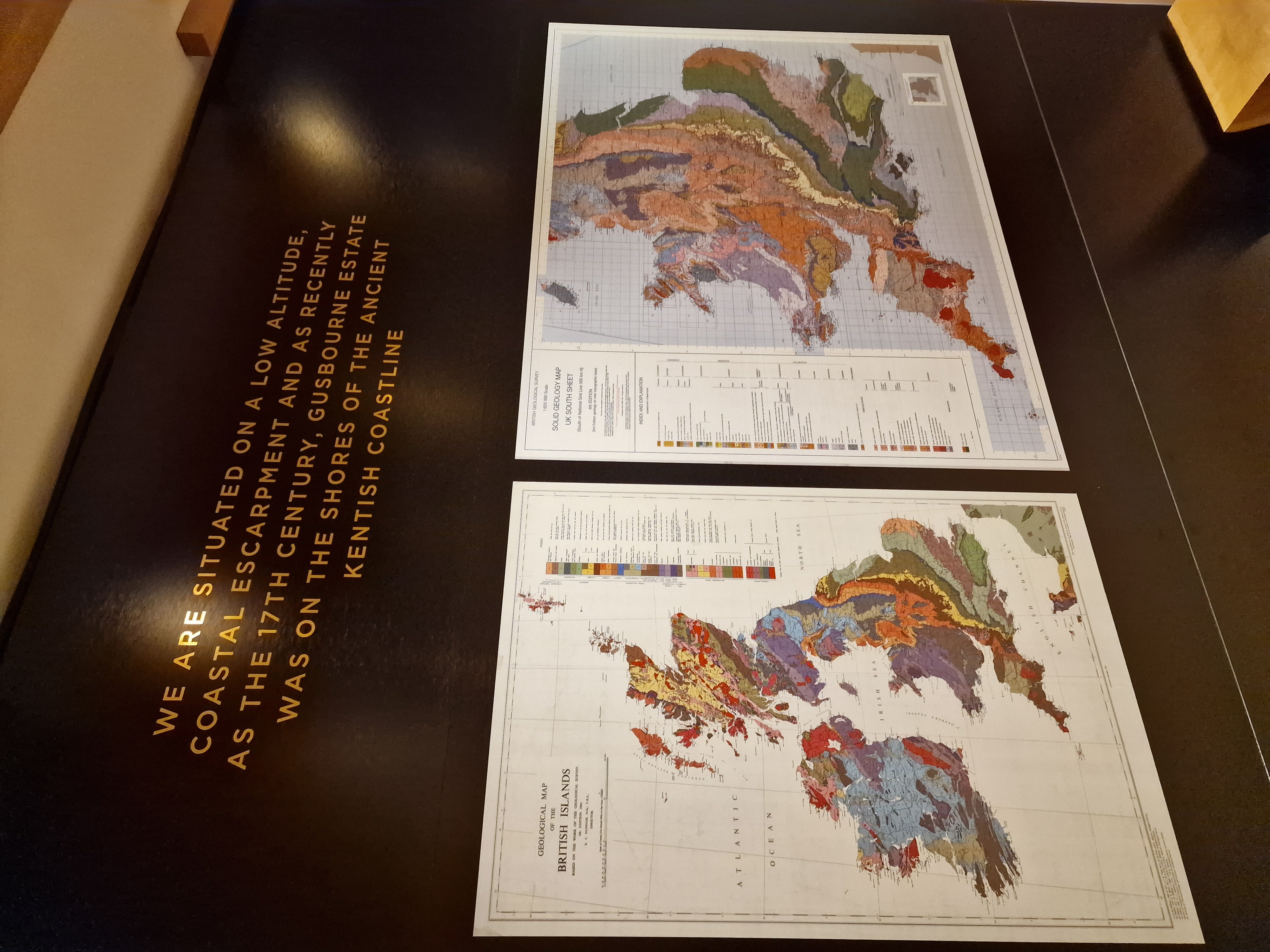
I recently had the opportunity to go on an in-depth tour with esteemed colleagues, starting with Tim Unwin – based in the UK and a key reference. You feel the cold in your bones, and you can sense the affinity of the soils with Champagne. Acidity is the common thread and requires extreme care in terms of dosage – which becomes crucial (up to 6–8/9 g/L for the right balance) – as well as blending, harvesting, and everything that revolves around this extraordinary and complex product. Thanks to climate change (and therefore less extreme conditions) and, I would add, to the experience producers have now gained, English sparkling wines are increasingly ranking among the most appreciated.
UK SPARKLINGS – MAP
The phenomenon has deeper roots than one might think. The “PDO – English and Welsh Wine” designation was officially recognized in 2011, but the movement had already started to take shape in the 1990s, when a few pioneers realized the potential of this land for viticulture. The PDO includes sparkling wines, provided they are made from fresh grapes harvested and vinified in England; however, the more immediate phrase “Product of England” is often preferred on labels.
The core production area is in the south of England, particularly in the counties of Sussex, Kent, Surrey, and Hampshire. The main permitted grape varieties are Chardonnay, Pinot Noir, and Pinot Meunier, the backbone of the best cuvées (there is more freedom with PGI wines, where disease-resistant grapes are also allowed, for example). The regulations require a minimum of 9 months’ lees aging, but serious producers – and there are many – go well beyond, extending aging to 30, 48, or even 60 months.
As of 2024, sparkling wines account for about 76% of total UK wine production, with a clear dominance (over 90%) of the traditional method. If English sparklings have grown so much in recent years, it’s thanks to the quality they’ve reached: fresh but not sharp, with balance, structure, and finesse. They’ve moved past the early criticism of being simply “citrusy” or overly acidic. The result is an elegant fizz, often citrusy and savory, with a tension that comes more from the soil than from oak.
UK SPARKLINGS – nyetimber
Nyetimber, Chapel Down, Greyfriars, Leonardslee, Ridgeview, Gusbourne, Tinwood: each with is own style, they’ve helped form a coherent picture in my mind. But let’s take a closer look.
UK SPARKLINGS – Nyetimber – Pioneer of the English Traditional Method
Founded in 1988 in West Sussex, Nyetimber is widely regarded as the matriarch of English sparkling wine. Among the first to plant only Champagne varieties and fully embrace traditional method production with extended lees aging, it now spans over 330 hectares. Dutch-owned and led by Eric Heerema with internationally renowned winemaker Cherie Spriggs. Signature cuvées include Classic Cuvée NV, Blanc de Blancs, Rosé, Tillington Single Vineyard, and the prestigious 1086.
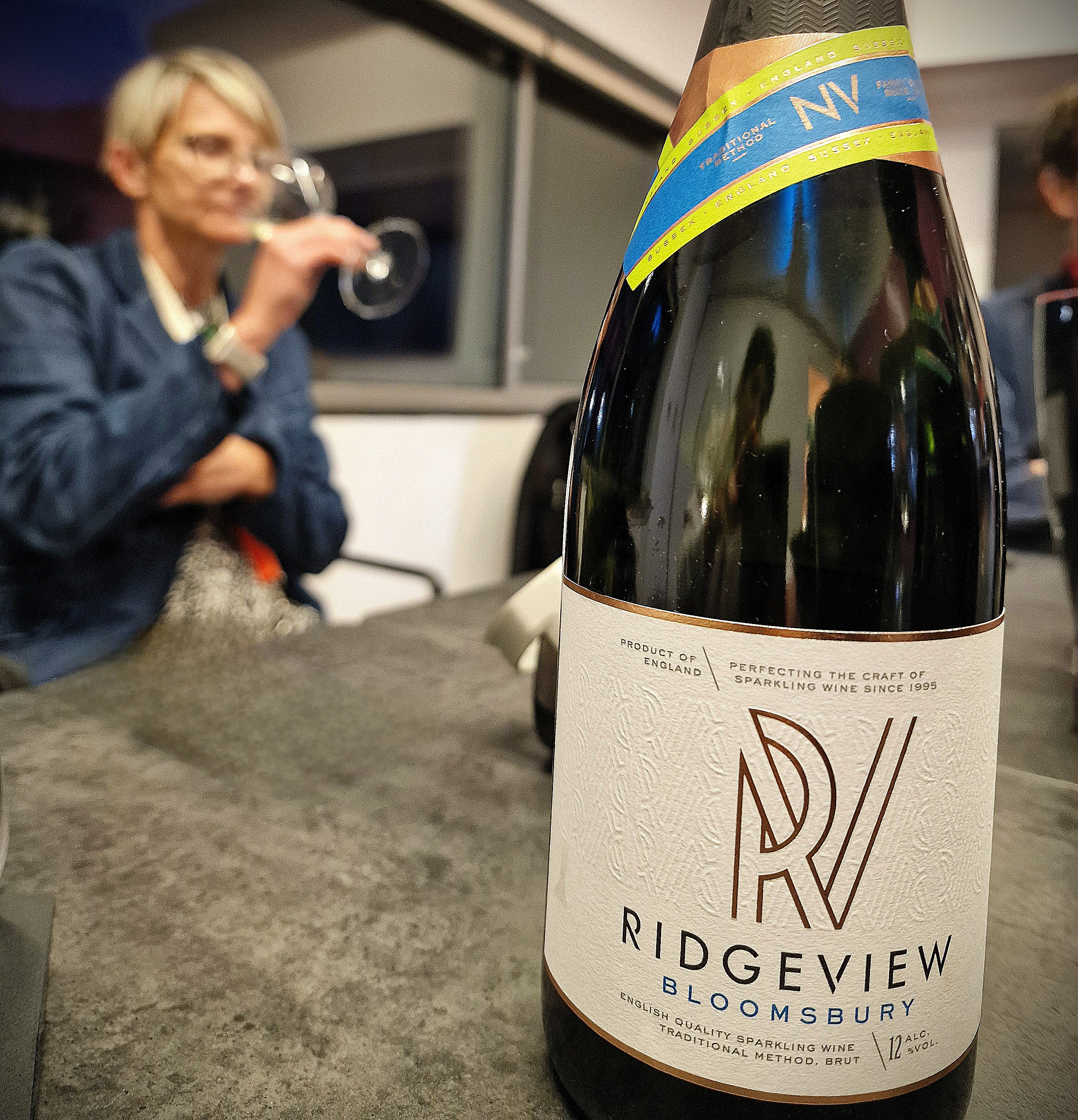
UK SPARKLINGS – ridgeview
UK SPARKLINGS – Ridgeview – Stability Through the Second Generation
Another pioneer, founded in 1995 in Sussex, Ridgeview remains one of the historic estates and is now managed by the second generation of the Roberts family. It’s among the most internationally awarded English labels. Bloomsbury Brut is its flagship wine and, in my opinion, the best NV label I tasted in the UK. I was particularly impressed by the overall quality-to-price ratio across the range. Top pick: Blanc de Noirs 2015.
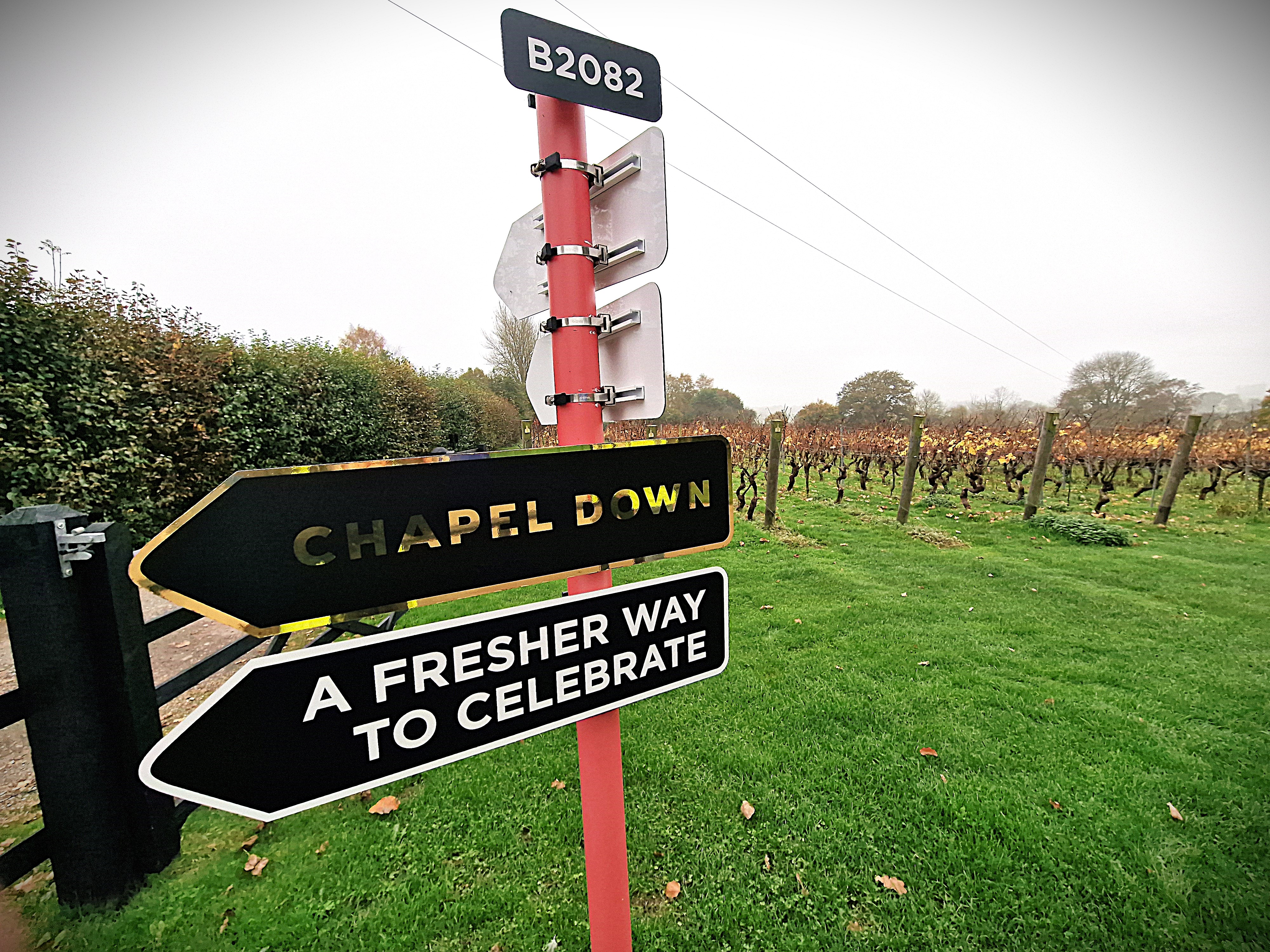
UK SPARKLINGS – chapel down
UK SPARKLINGS – Chapel Down – A Large-Scale Benchmark
Located in Kent, Chapel Down is one of the largest and most visible producers, with a strong presence in restaurants and major retail. Though it also produces still wines, the sparkling line is its crown jewel. Founded in the 1990s with a modern and accessible approach, it initially mirrored Champagne before developing its own regional identity. They emphasize their clay soils and clearer skies, which allow full grape ripening—yielding both acidity and density. They work mostly with NV wines, do not use Charmat, and my favorite is the base Brut alongside the Blanc de Blancs “Kit’s Coty” 2019.
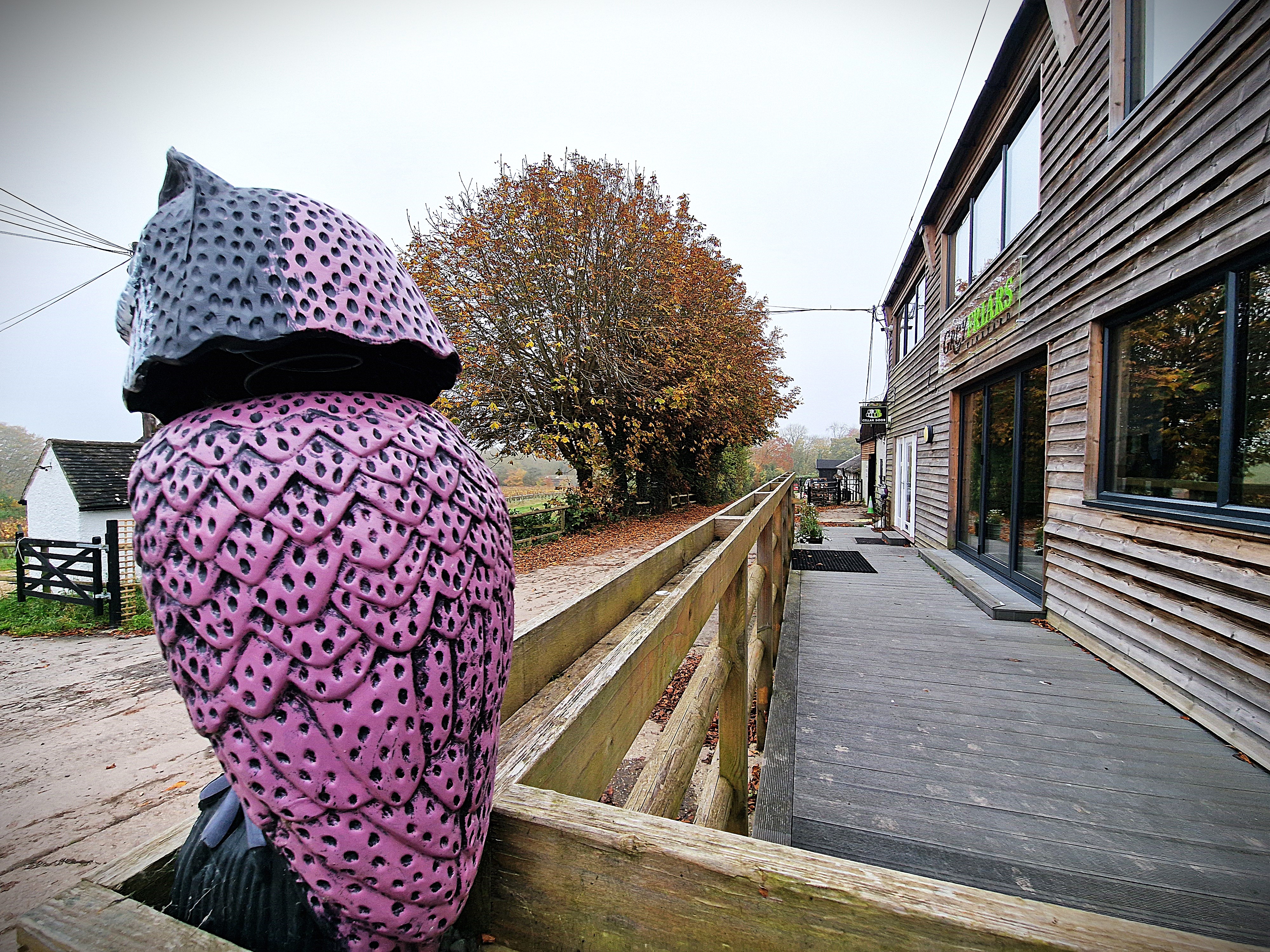
UK SPARKLINGS -greyfriars
UK SPARKLINGS – Greyfriars – Small and Artisanal
In the heart of Surrey, Greyfriars is a family-run estate with about 16 hectares. Exclusively traditional method, their style is experimental and focused on micro-vinification. Their NV Cuvée is the standard bearer, but I was also impressed by the Sauvignon Blanc Brut NV – a true value bottle.
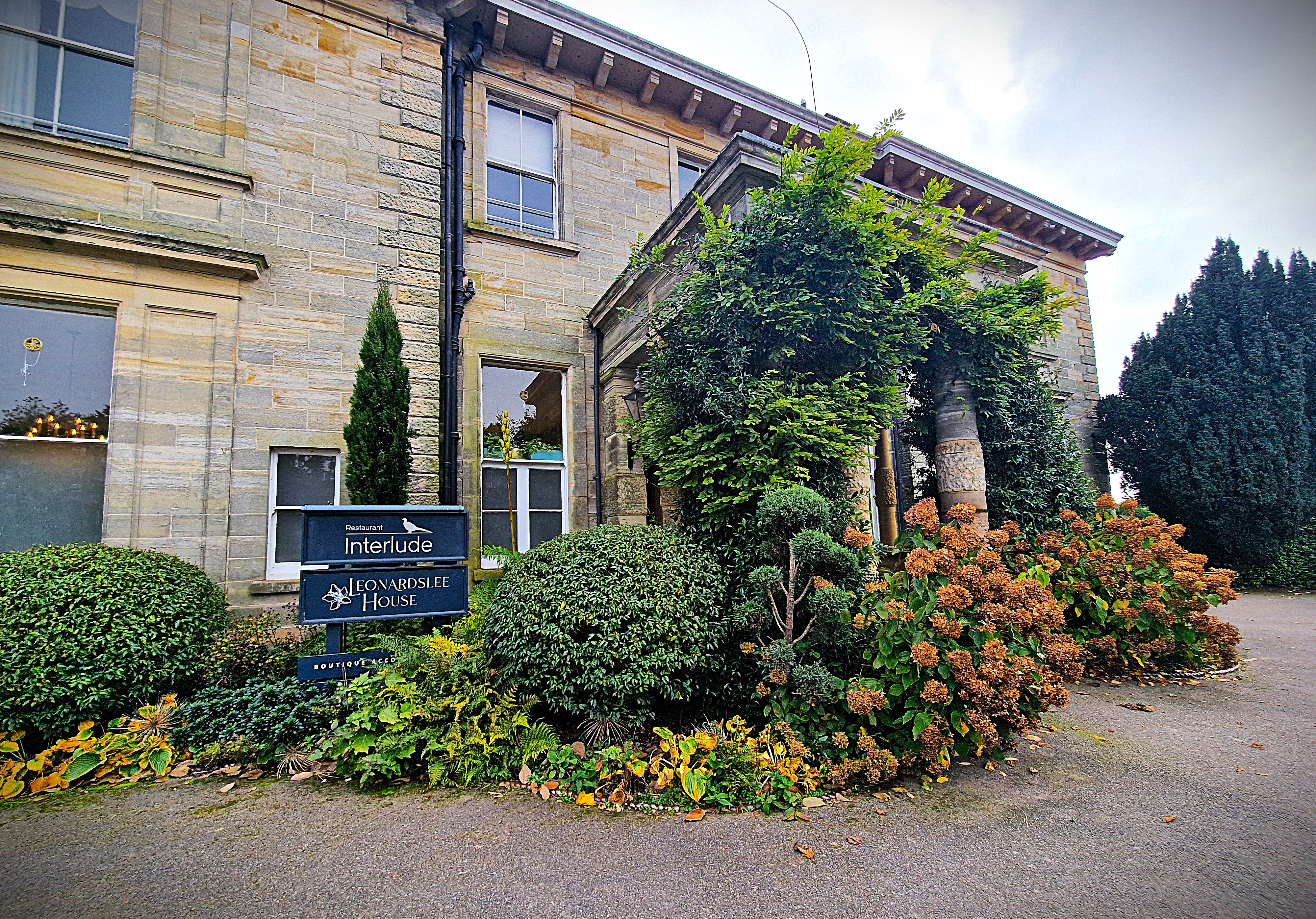
UK SPARKLINGS – leonardslee
UK SPARKLINGS – Leonardslee – The Estate in England’s Most Beautiful Garden
A stunning place, both in appearance and character. Founded in 2017 within the Leonardslee Lakes and Gardens in West Sussex, this is one of the youngest players. With fewer than 10 hectares, it has a deep connection to high-end hospitality. Part of a luxury resort, it’s run by South African winemaker Johan de Villiers – and not surprisingly, we also tasted a solid Cape Classique. My favorite: Blanc de Blancs 2020.
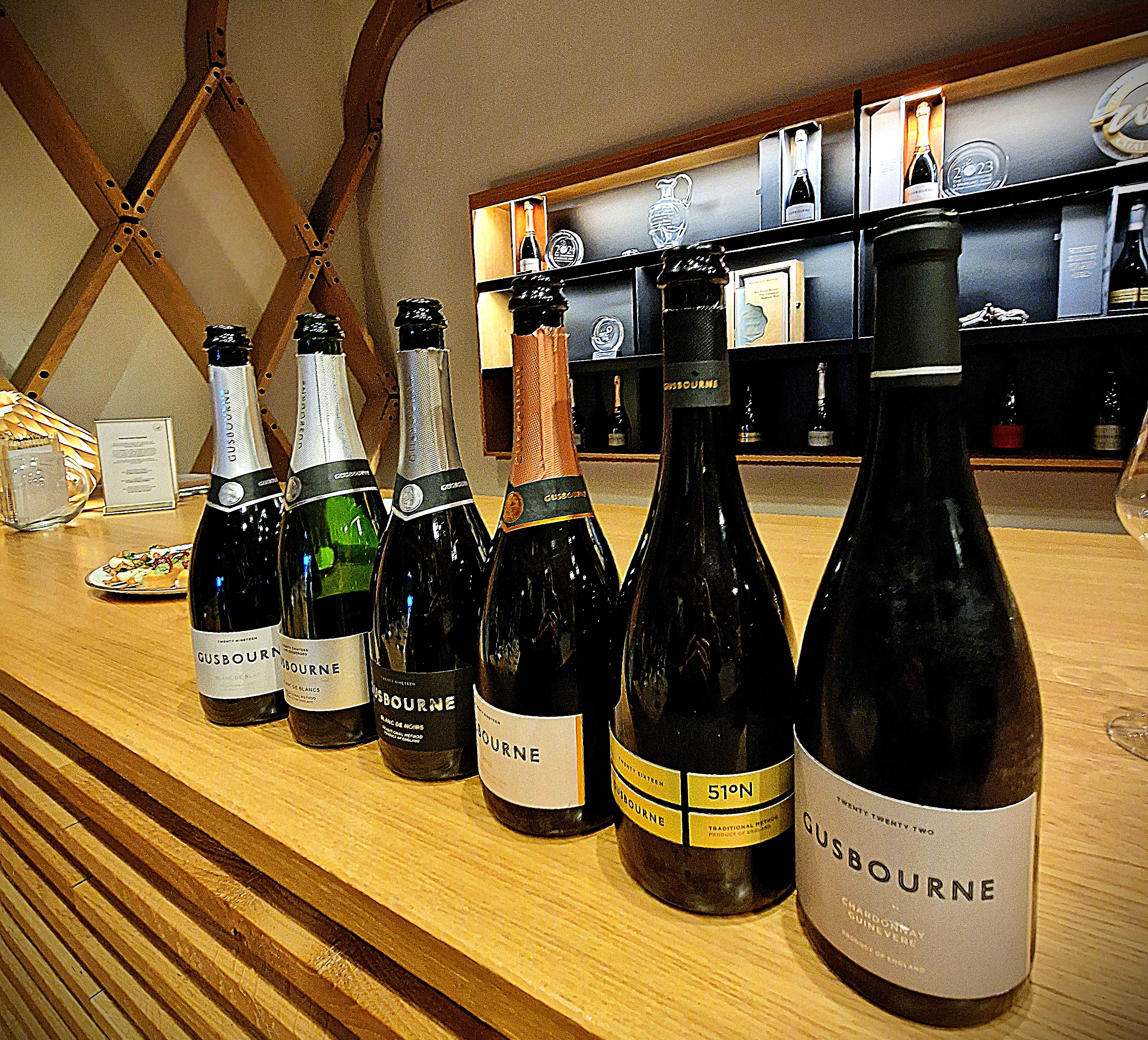
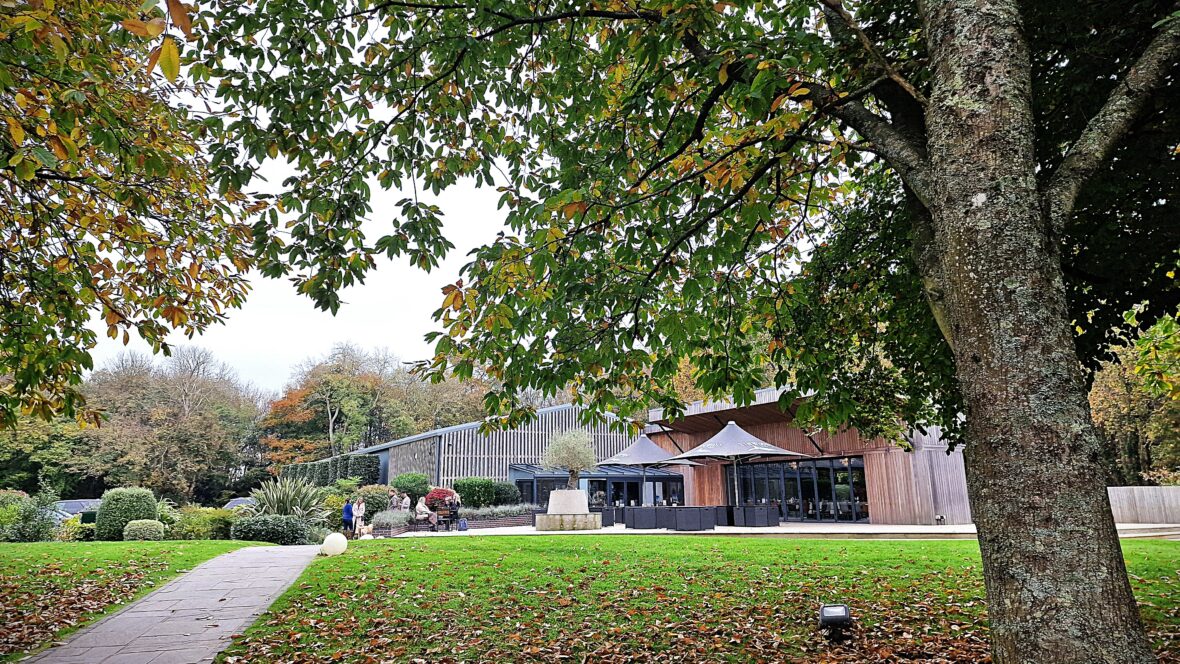
UK SPARKLINGS – gousbourne
UK SPARKLINGS – Gusbourne – Tailored Precision
Among my favorite tastings! Located between Kent and West Sussex with around 90 hectares, Gusbourne combines elegance and stylistic rigor. Founded by Andrew Weeber in 2004, it quickly gained credibility. They use French oak for their reserves and are experimenting with English oak. Highlights: the Blanc de Blancs 2013 (late disgorged, silver label) and the remarkable Prestige Cuvée 2016, made only in top vintages. Prices are higher, but the quality consistently justifies it.
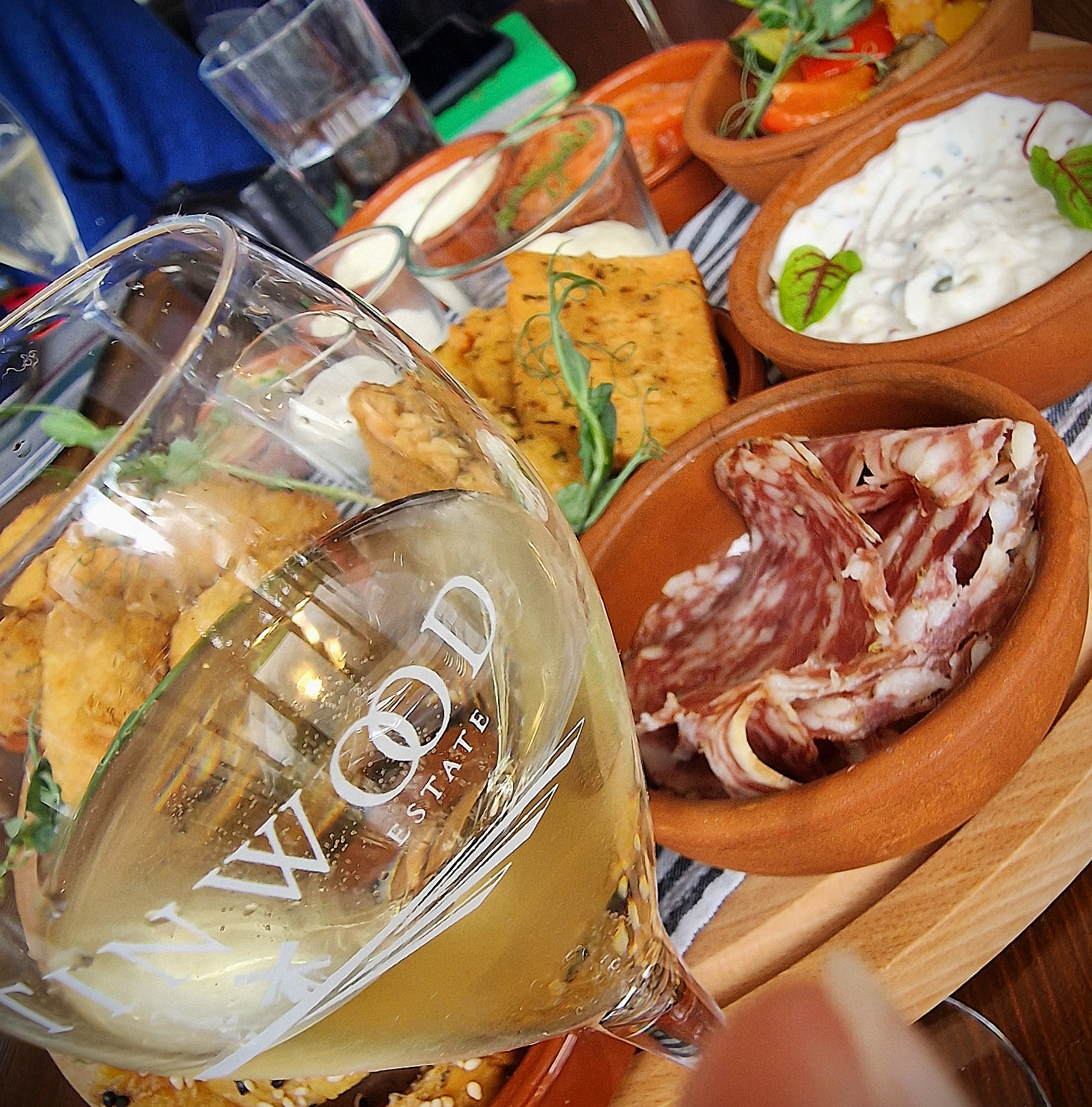
uk sparklings – tinwood
UK SPARKLINGS – Tinwood – Bubbles and Hospitality Among the Vines
Just outside Chichester in West Sussex, Tinwood is a family-run estate with a strong focus on hospitality: glamping among the vines, guided tours, and a tasting room. Active collaboration with Ridgeview. Signature labels include Brut, Rosé, and Blanc de Blancs – all fresh and approachable. I particularly enjoyed the Blanc de Blancs 2020 paired with local dishes.
I also stumbled upon a few other intriguing tastings, including English sparkling wines produced by Champagne houses—Pommery’s was a pleasant surprise at a very accessible price point.