


For a long time, Western Australia was associated with ripe wines, often simple or fortified. Not surprisingly, it lies at the same latitude as the Hunter Valley, placing it firmly in a warm climate band.
The turning point came in the 1990s, when production began to concentrate in the south-west corner: here a new identity emerged, more precise and quality-driven. The key name is Margaret River, alongside Swan Valley, which is more historic and, above all, more accessible—just minutes from Perth, making it perfect for immediate, straightforward wine tourism.
western australia – my tour in margaret river
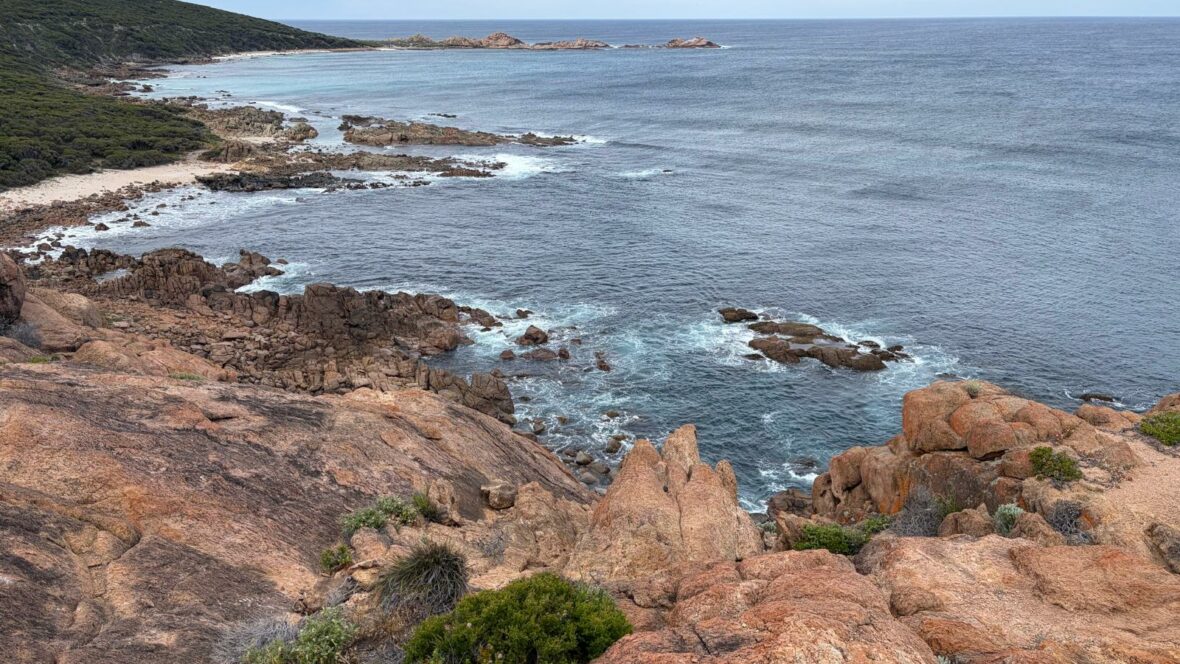
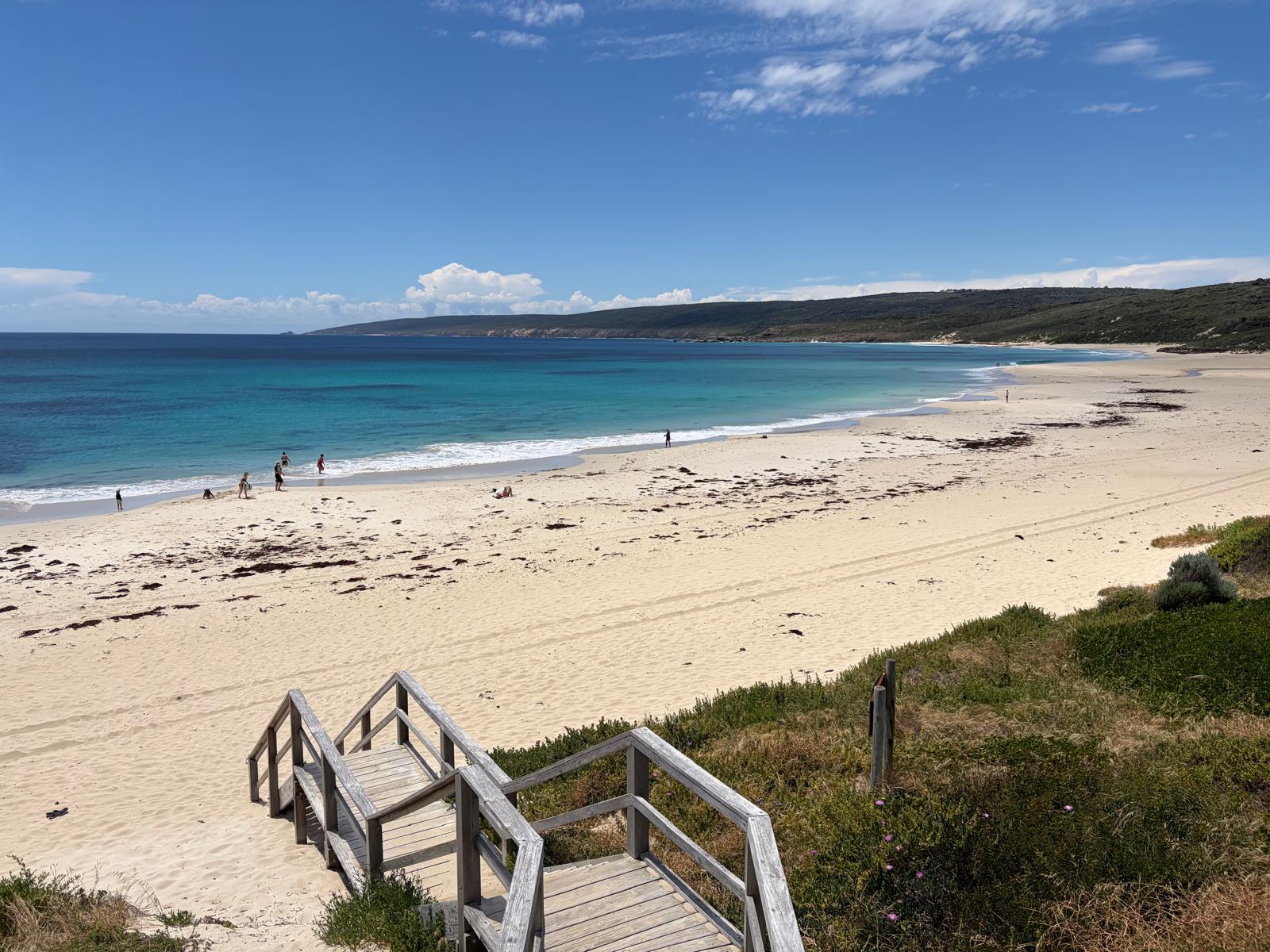
In short, this is the territorial picture: Margaret River, however, is a case of its own. It is a region surrounded by oceans—the Indian Ocean to the north and west, and the Southern Ocean to the south. This creates a unique balance: on one side climatic moderation, on the other sufficient warmth (especially from the Indian Ocean) to ensure full ripening. Rainfall is abundant but concentrated in the winter months, while the ripening period is drier, reducing vineyard risks. The landscape is made up of gentle hills, without significant altitude, with highly draining soils: irrigation is essential, yet the low fertility naturally limits yields and promotes quality.
western australia – my tour in margaret river – old vine swan valley
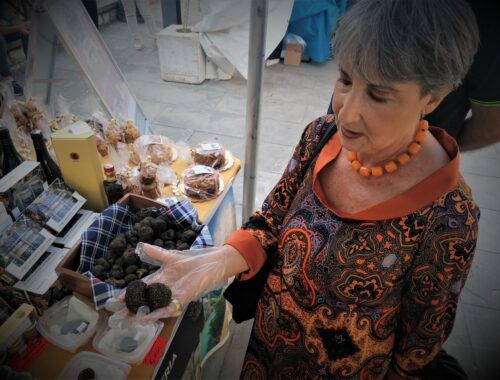
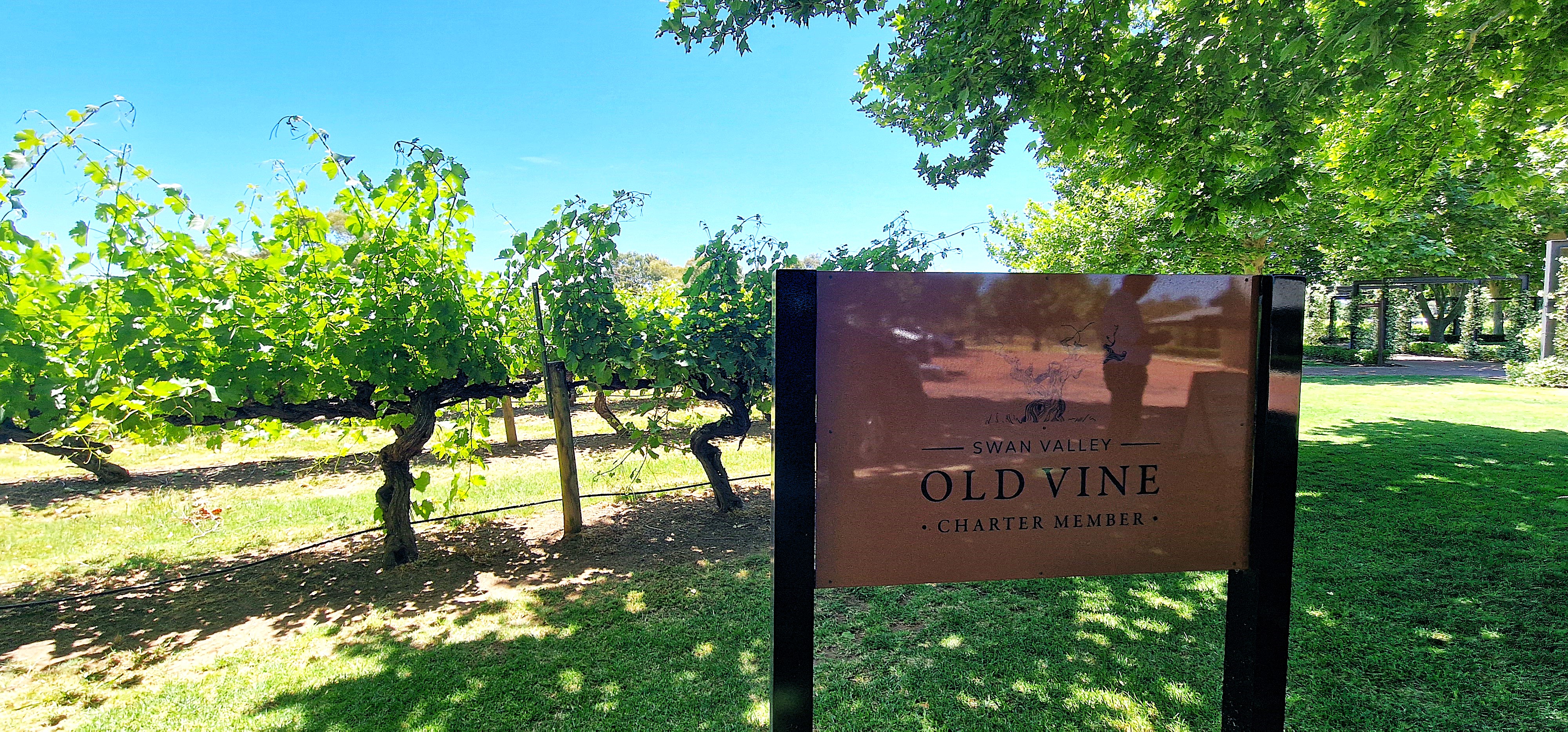
Now, let’s move to its distinctive features: among the most interesting elements of the region is, first of all, the widespread presence of old, ungrafted vines, classified and promoted by local associations that certify their age—in the absence of any official national or international regulation. One example is the Swan Valley Old Vine Charter, a voluntary system that classifies vineyards by age (in four tiers from 35 years onward) and protects their value, again in the absence of formal legislation. These vines live in an almost symbiotic balance with the soil and local microorganisms, not unlike what happens with truffles, on some of the oldest soils in the world, profoundly different from the rest of Australia. This leads to another key distinctive feature: reddish, lateritic soils rich in iron, very poor and well-draining, which over time have selected a specific vegetation (including the Jarrah tree, often associated with the area) and provide an ideal physical structure, with a natural balance between water and air.
Production is roughly half red and half white. Cabernet Sauvignon dominates (often in Bordeaux-style blends with Merlot), while among whites Sauvignon Blanc and Semillon are widespread, again often blended. Chardonnay, however, frequently represents the qualitative peak, in a fresher, more tension-driven style than in the past. Here another important detail: the most widespread local clone is the Gingin clone.
What was happening: I kept tasting ripe Chardonnays—as expected from a region that is not cold nor particularly elevated—yet paired with a sharp acidity that did not align with what I would expect from early harvesting. This is due to the clone: it naturally retains high acidity, making it perfectly suited to this area.
There is also an interesting element: a strong Italian influence, visible in the varieties grown, in the technologies adopted, and in a certain way of thinking about wine.
The journey: from Swan Valley to Margaret River
Swan Valley
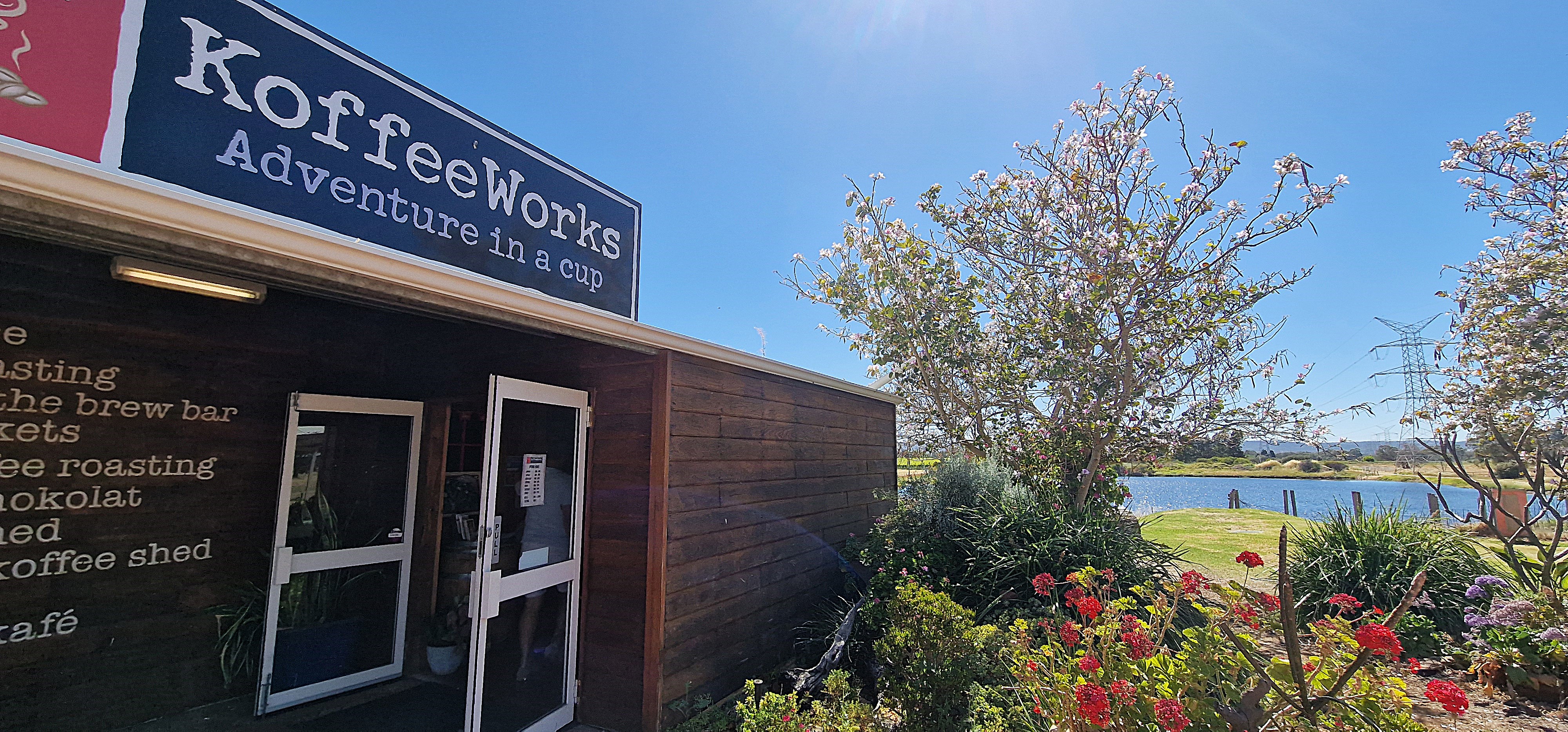
After a stop at Yahava KoffeeWorks, founded in 2001, born from the idea of its Dutch owner to travel across the best coffee-producing countries, personally select the beans and roast them on-site, transforming the product into a direct and accessible experience.
western australia – my tour in margaret river
Upper Reach Winery
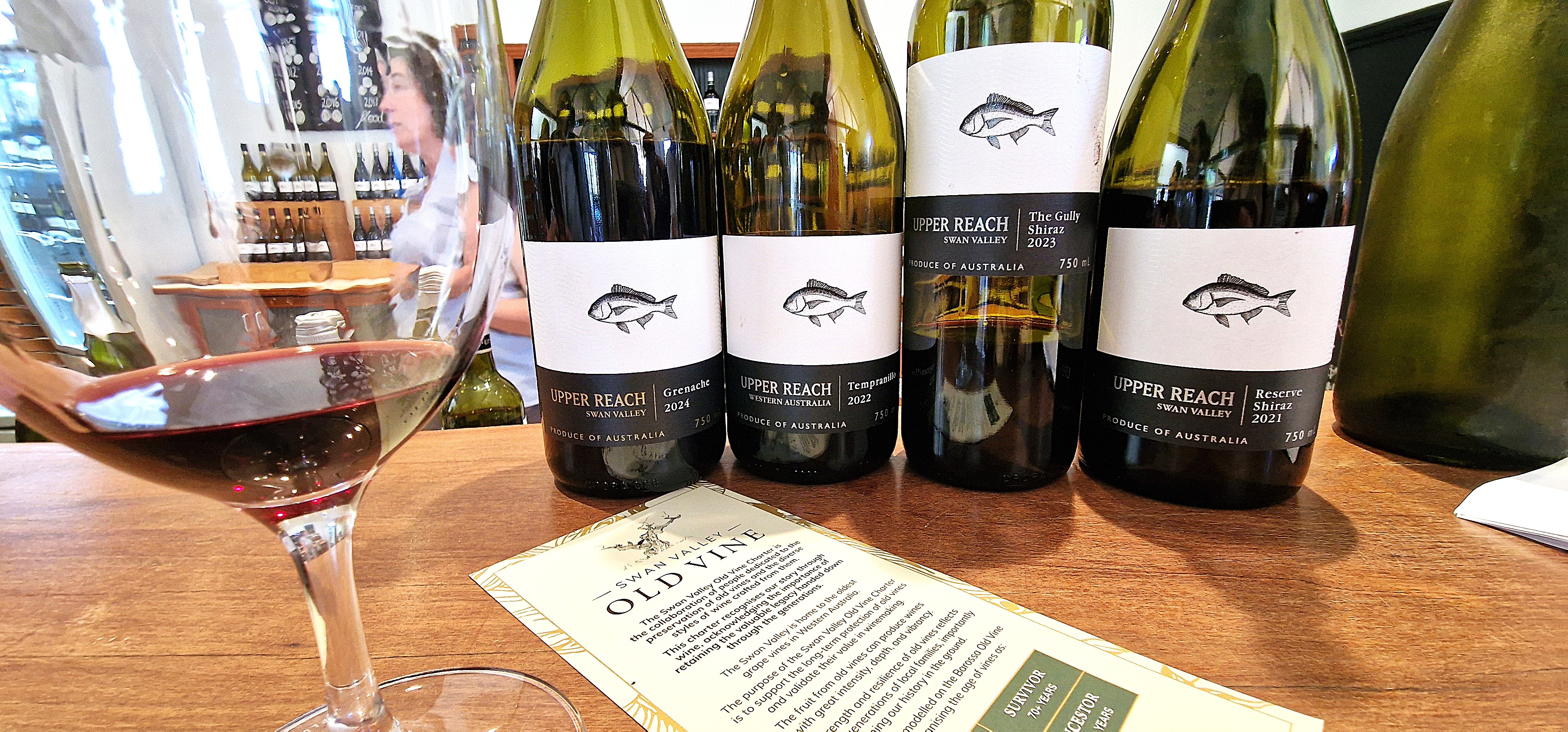
A small family-run estate on the banks of the Swan River, as reflected by the fish on the labels. A clean, straightforward style, with a strong connection between vineyard and wine. It is here that I discovered and explored the Old Vine association and the classification of old vineyards. Particularly interesting were the organic traditional method sparkling wine and the reds: especially the 2024 Grenache from 75-year-old bush vines without irrigation, with precise red fruit and no unnecessary embellishment; and the Reserve Shiraz 2021, deep with black fruit and toasted pepper.
western australia – my tour in margaret river
Olive Farm Wines
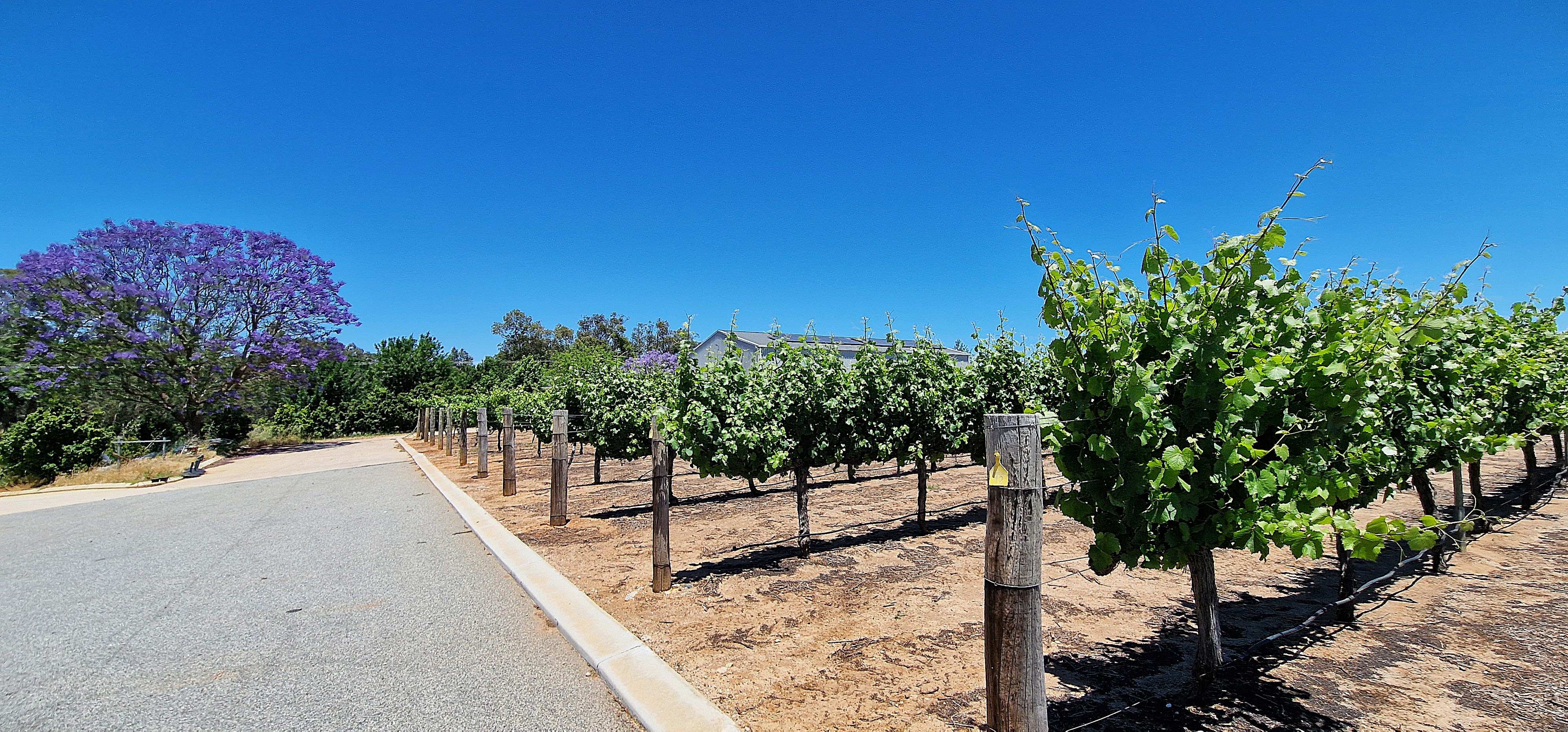
Founded in 1829, it is the oldest winery in Western Australia, still family-run today. A wide range and an accessible approach, strongly rooted in tradition. Here there is experimentation with many varieties, including Italian ones such as Fiano and Aglianico, with over 50 wines available for tasting. Notable were the traditional method sparkling wine from Chenin Blanc, creamy and appropriately complex; and the Petit Shiraz (labelled as Durif), deep and ripe with a chocolatey finish, very enjoyable.
western australia – my tour in margaret river
Sandalford Wines
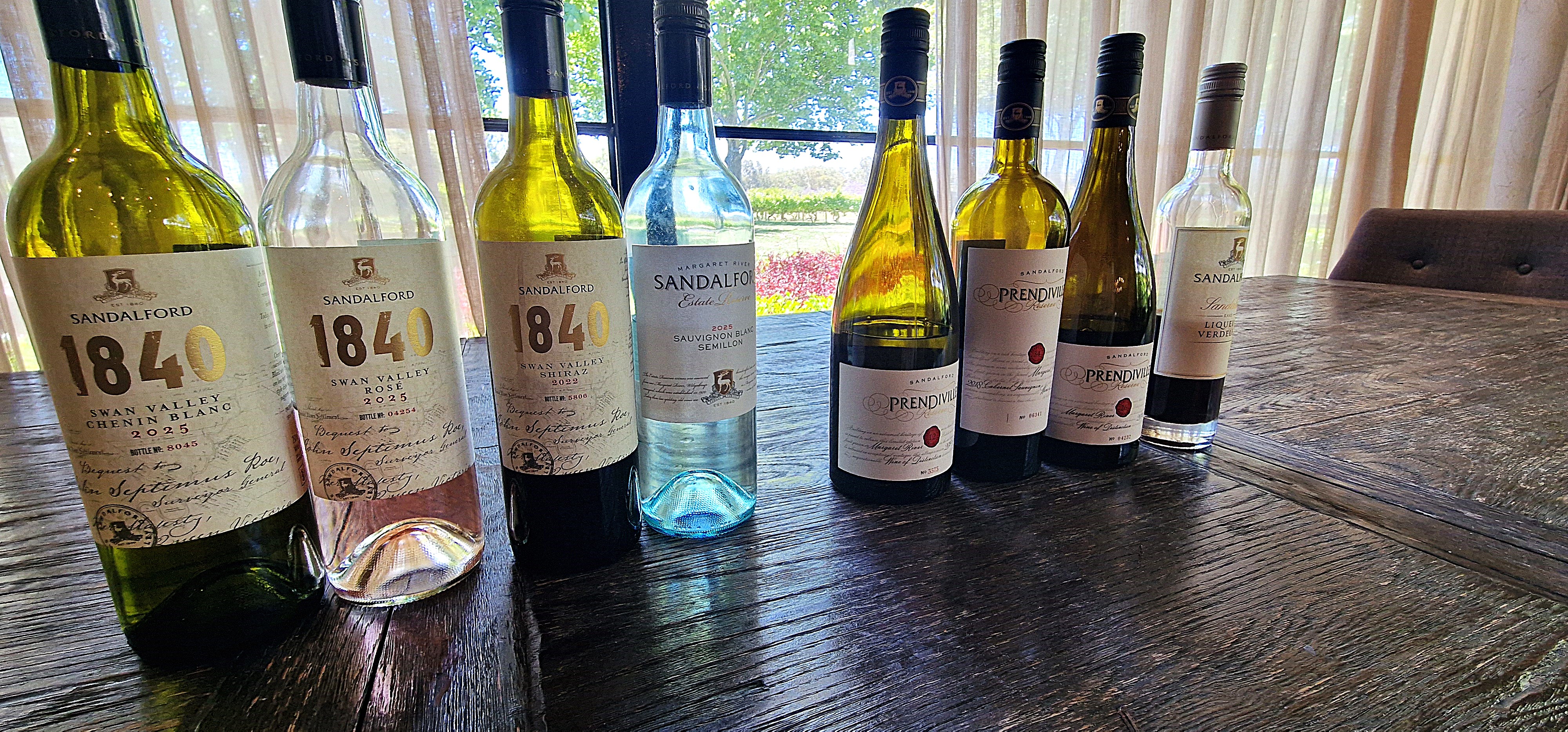
One of the historic and largest estates (since 1840), with a strong hospitality component and a fully integrated experience, including an excellent Italian restaurant with a wood-fired oven—compliments. Focus on premium single-vineyard wines. The quality is consistently high with remarkable precision, from the elegant Grenache rosé 2025 to the Chenin Blanc 2025—among the best tasted—to the Shiraz wines, both from Swan Valley (2022), soft yet refined, and from Margaret River (2020), rich but extremely drinkable. A beautiful finale with the Sandalera (a Verdelho liqueur in the style of fortified Muscat, as known in Australia): delicious, with notes of dates, caramel and coffee liqueur, finishing smoky, for an unforgettable viscous sip.
western australia – my tour in margaret river
Mandoon Estate
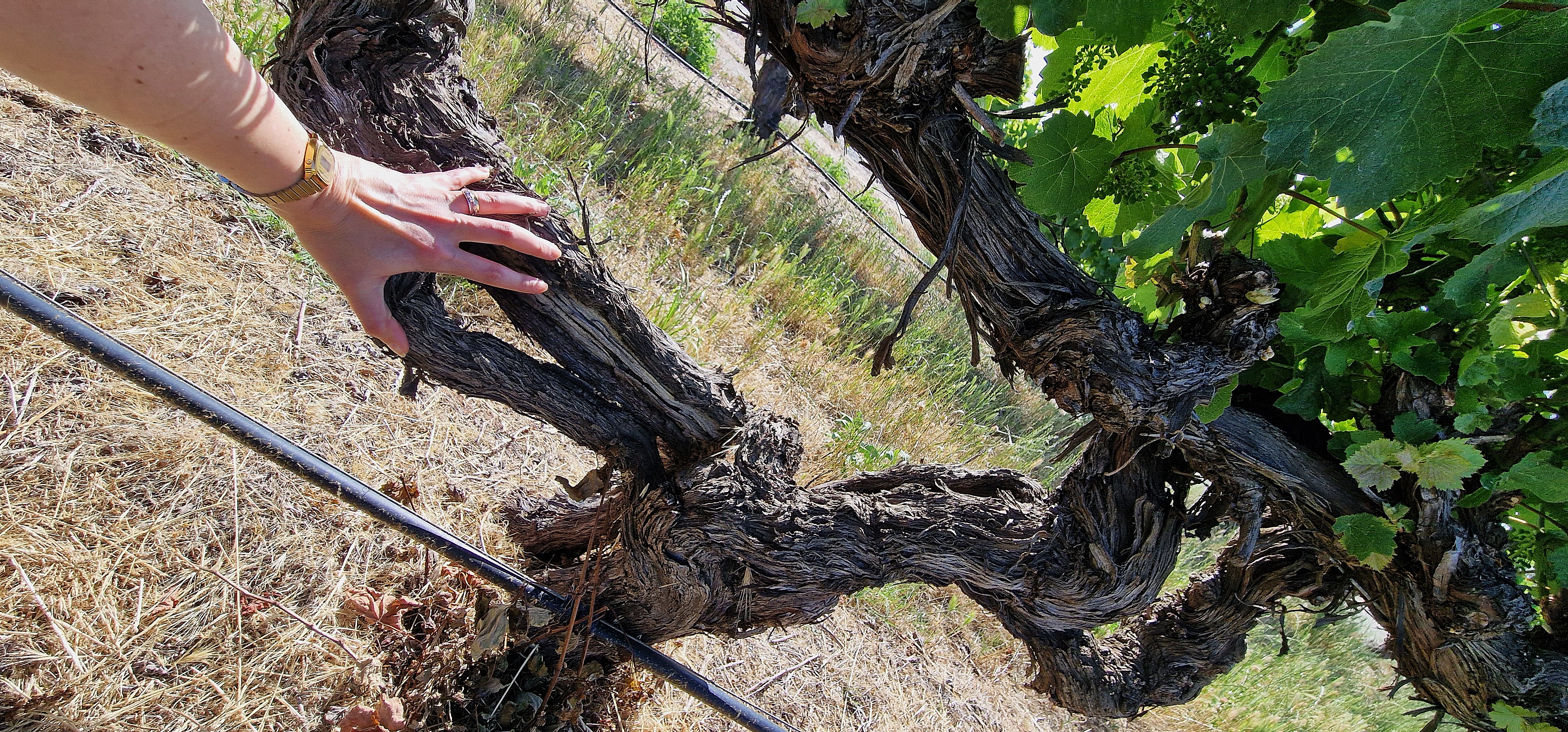
A modern project (2008) built on a historic property, now a complete hub for wine and hospitality. Seeing century-old vines up close is always striking. A broad range, difficult to taste everything. Interesting the traditional method sparkling from Semillon, aged 7 years on lees, complex with toasted notes, marked by time. Also notable the Semillon aged in amphora (and partly in French oak), velvety in texture and well integrated with a savory finish. Finally, the 2010 liqueur, as at Sandalford—rarer, less elegant than the previous but still intriguing.
western australia – my tour in margaret river
Margaret River
Vasse Felix
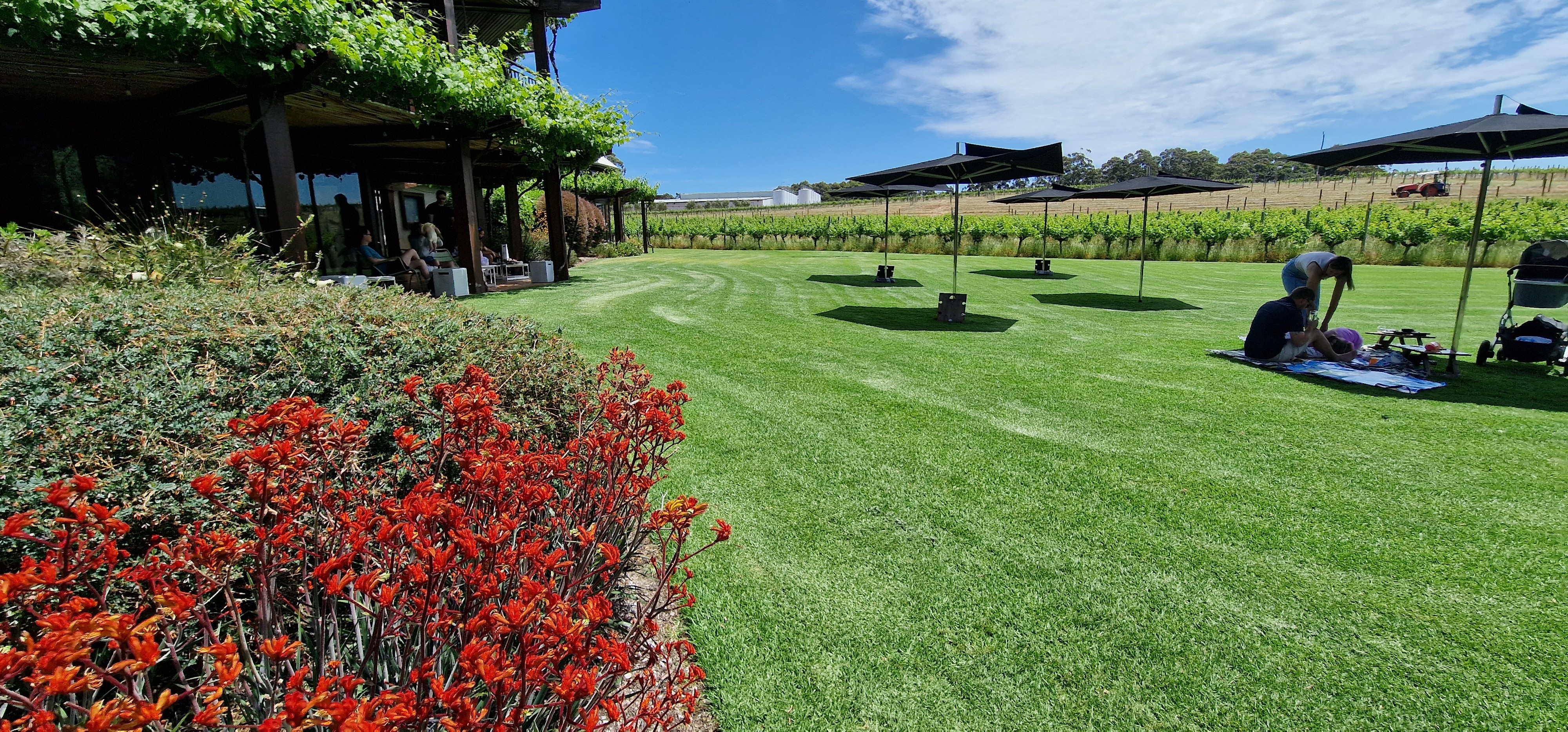
Founded in 1967, it is the true pioneer of the region. Today an absolute benchmark, with a focus on Cabernet Sauvignon and Chardonnay and a precise, minimal-intervention style. One of the most fascinating and welcoming estates, with art in the winery; I notice the pebbles for drainage and feel the ventilated conditions and ocean breezes, which allow temperatures to reach a maximum of 30–32°C, facilitating a sustainable approach. The main issue here is birds. A broad range again, with around 14 labels, mainly Cabernet Sauvignon, Chardonnay, Sauvignon Blanc and Shiraz. My favorites: the “Tom Cullity” 2022, a blend of Cabernet Sauvignon and Malbec, dense yet elegant; and the 2024 Chardonnay from the premier line with the Gingin clone mentioned earlier—compared to other Chardonnays, the acidity is less disjointed and supported by a balancing salinity.
western australia – my tour in margaret river
Cullen Wines
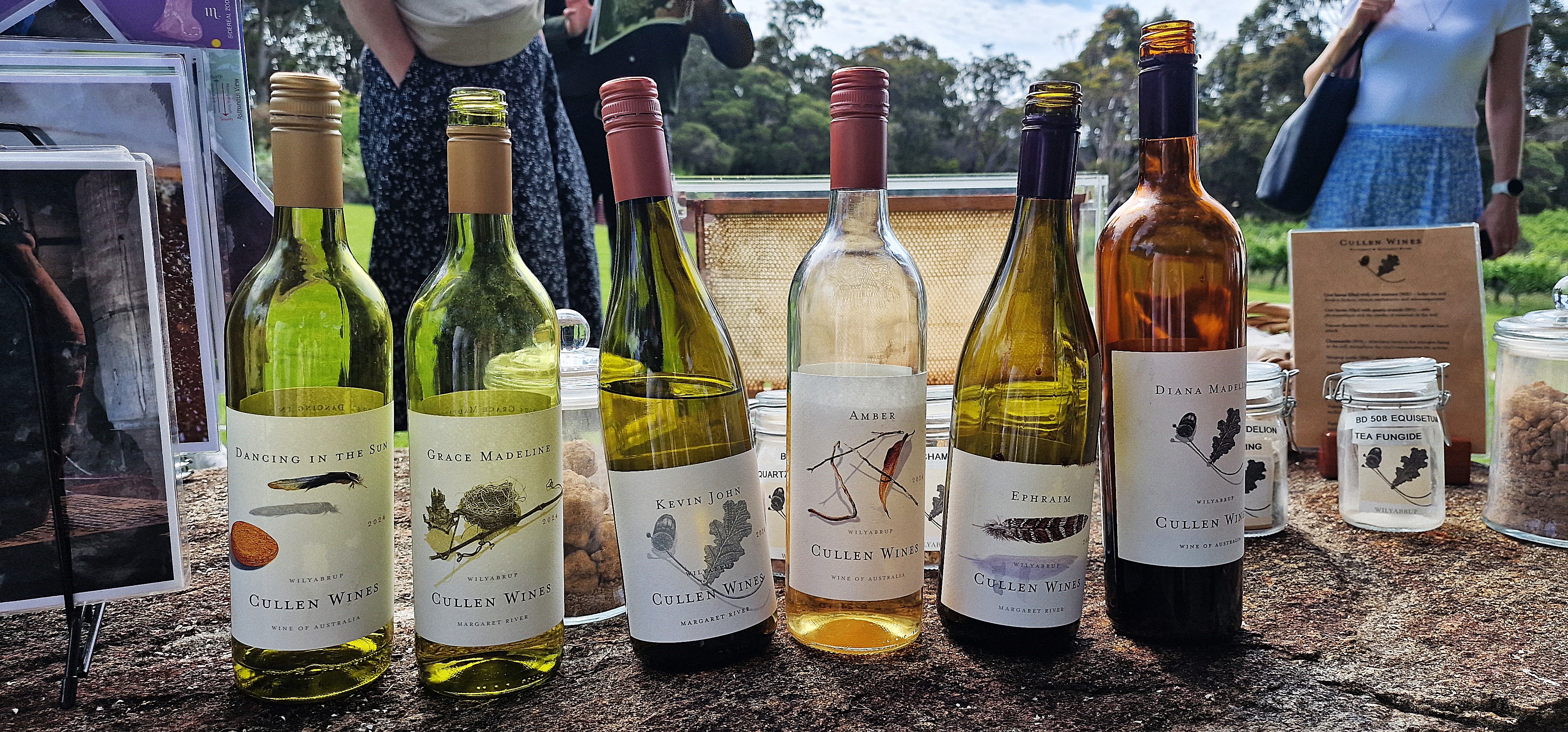
A historic family estate, now among the most iconic in the region. The first biodynamic winery here, therefore a key reference point, with a very coherent approach that is immediately perceptible, even during visits. The wine names themselves (e.g. Dancing in the Sun, a restrained blend based on Sauvignon Blanc, then Semillon and Chenin) say a lot: subtle rather than extreme, with some of the most elegantly used oak, as in the Kevin John (100% Chardonnay). Elegant also the amber wine. A level of quality that comes at a price.
western australia – my tour in margaret river
Fraser Gallop Estate
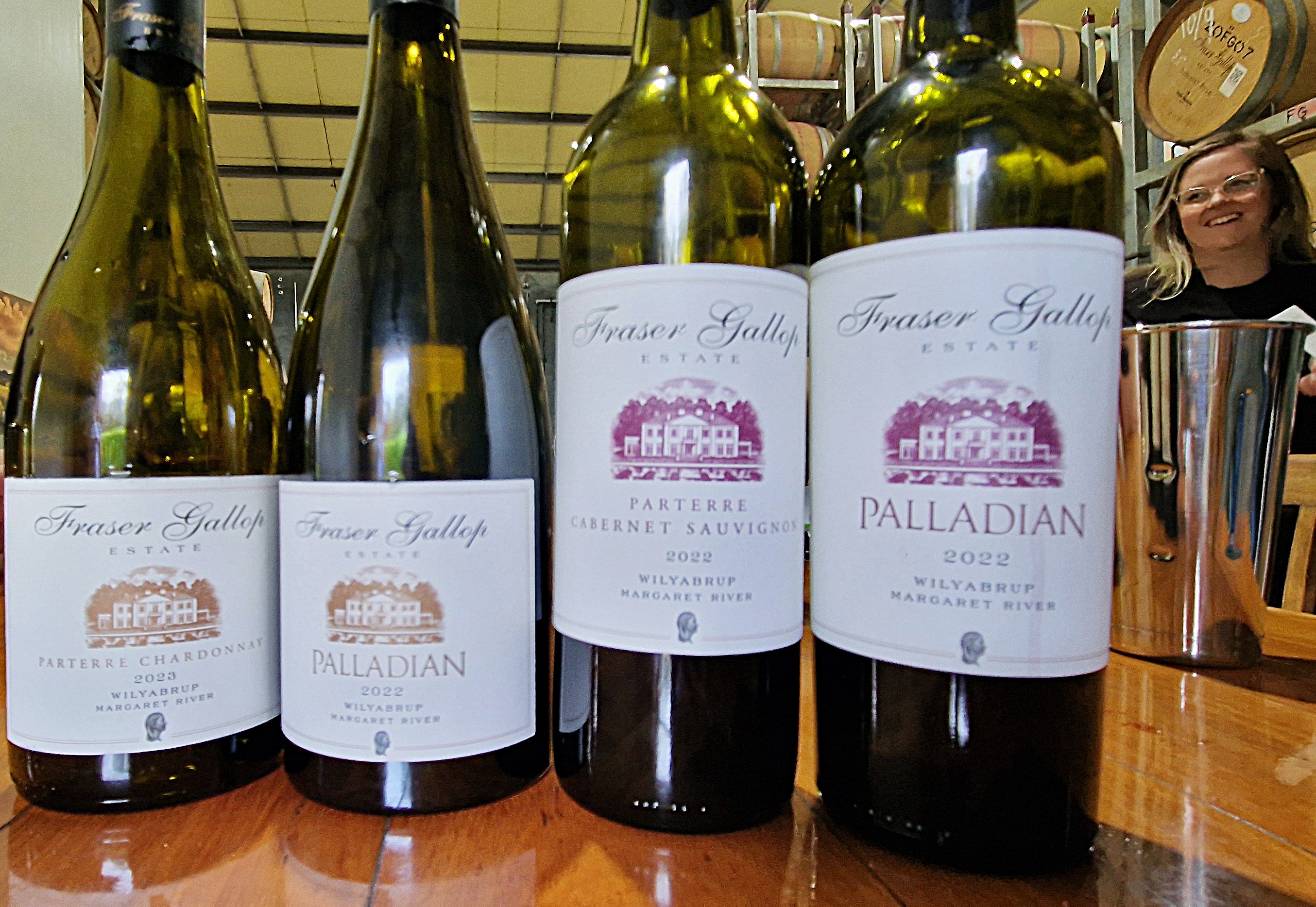
A single-vineyard estate in Upper Wilyabrup, with focused production closely tied to terroir. A rigorous, quality-driven approach. One of my favorite visits: an estate that captures you with its lake and scattered tasting spots.
I had already identified these wines in previous tastings: from the Chardonnays, especially the 2023, layered (with candied cedar and vanilla) and taut; to the “Parterre” (Cabernet Sauvignon) 2022, with 14% alcohol perfectly integrated and a sip that never tires.
western australia – my tour in margaret river
Wills Domain
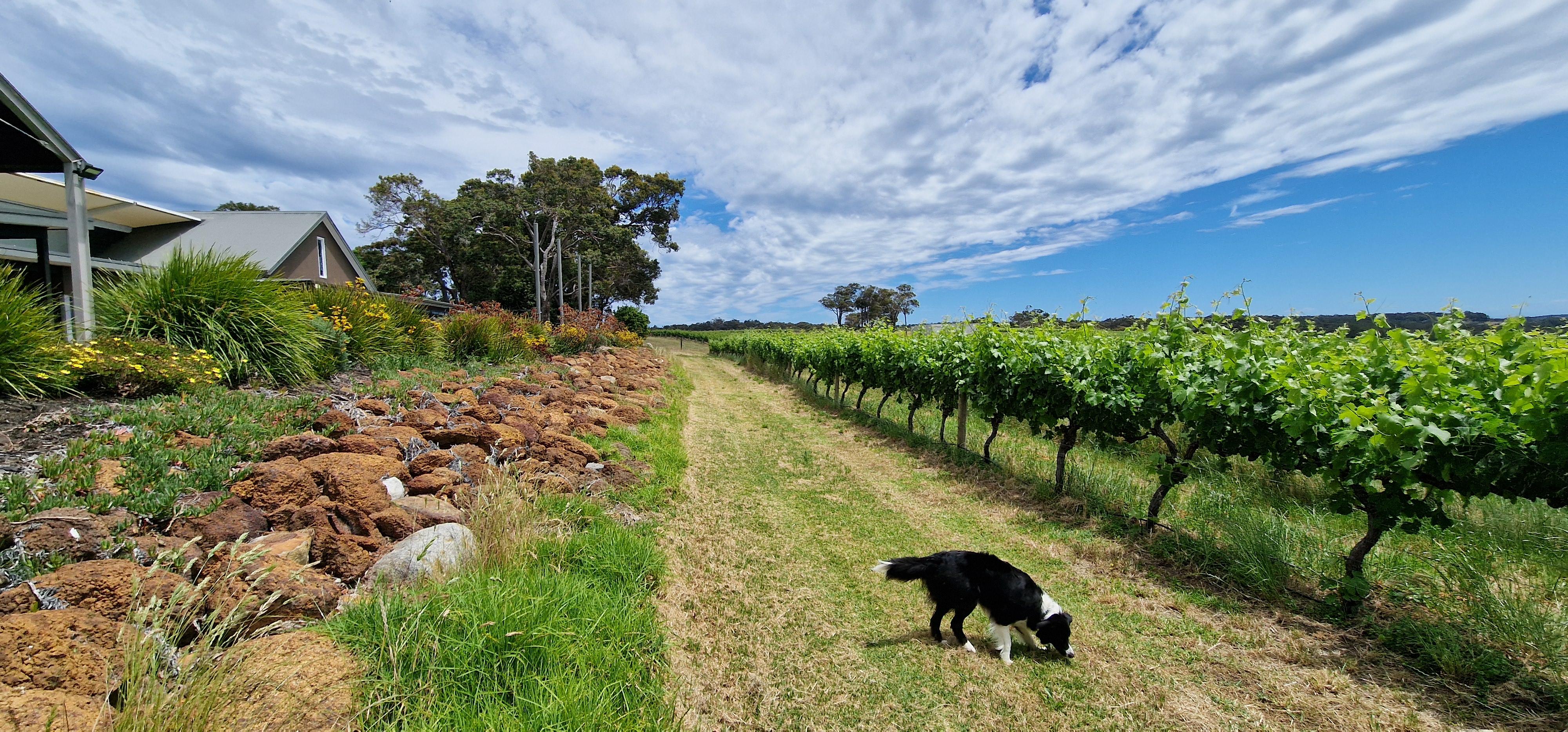
About 60 hectares in Yallingup, a dynamic estate with strong integration between wine and hospitality. Spectacular views and a contemporary style. A highly educational visit thanks to Quinlan’s guidance. They are investing more and more in wine, and results will soon be evident—I plan to revisit them once their direction is fully defined, although there were already several good tastings: the Sauvignon Blanc, closer in style to New Zealand yet well integrated, and the Cabernet Eightfold 2022, immediate and typical. A clear shift can already be seen between older vintages and more recent ones.
western australia – my tour in margaret river
Amelia Park Wines
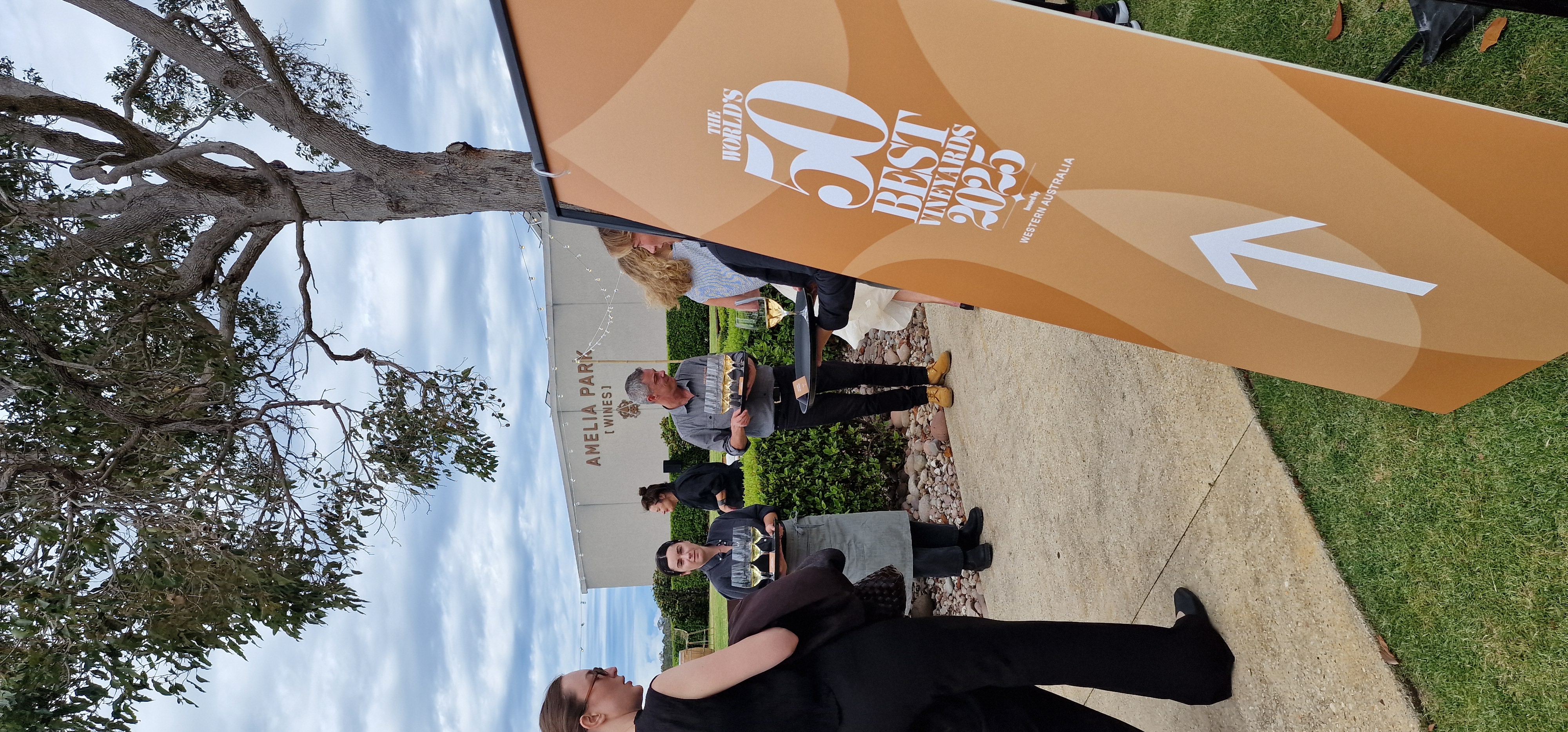
A modern winery combining advanced techniques with a classic approach. Elegant wines, strongly focused on fruit and drinkability. This is where we held the awards ceremony, with outstanding hospitality and perfect organization of space and timing. A modern winery in Wilyabrup Valley, led by winemaker Jeremy Gordon, one of the most awarded in Australia. The style is precise and contemporary, with great attention to fruit and balance. Among the most representative wines are the Cabernet Sauvignon, elegant and structured, and the Chardonnay, fresh and tense, symbolizing the region’s new identity.
western australia – my tour in margaret river
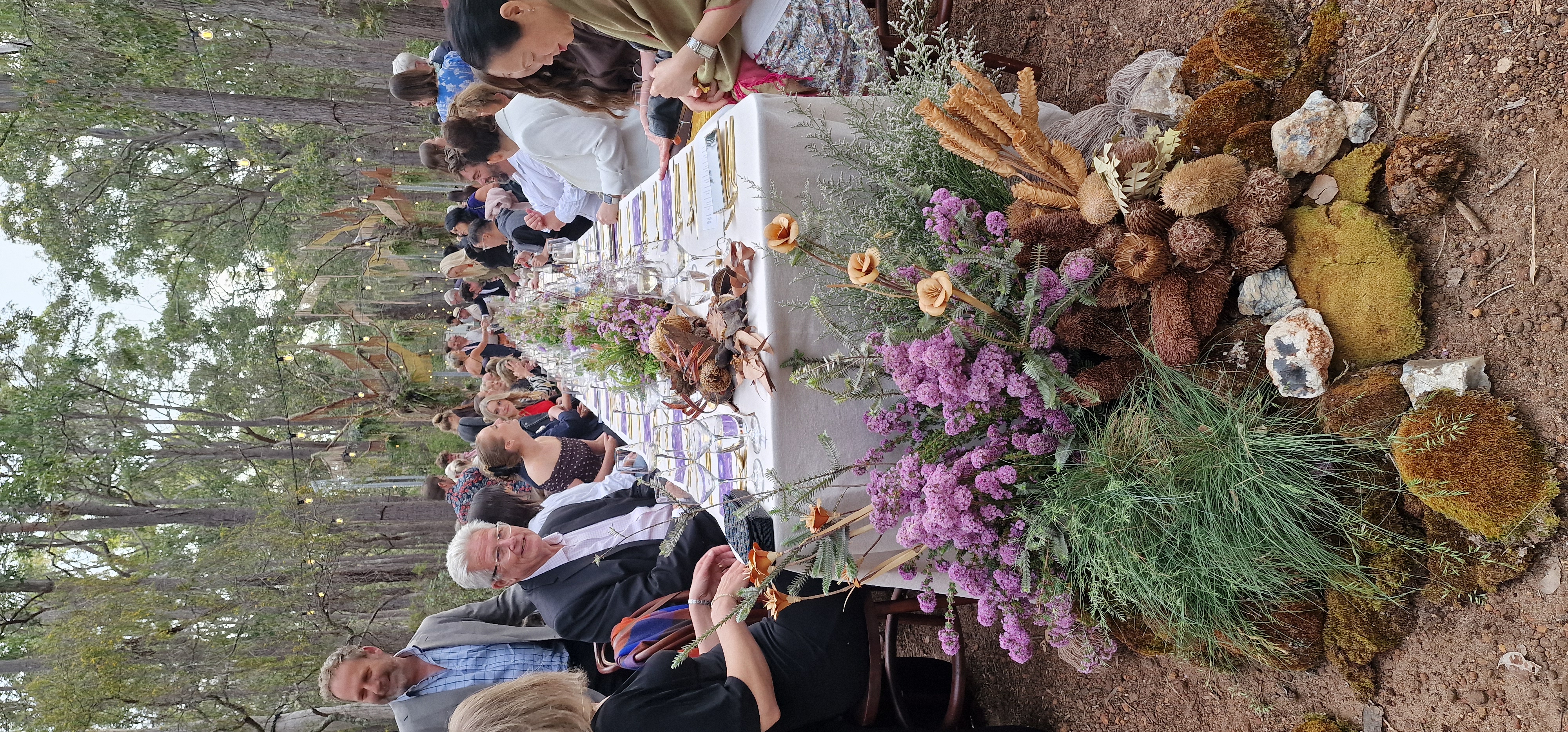
Also worth mentioning is the dinner in the forest at: Tanah Marah
An estate immersed in nature, among forests and lakes, more focused on experience than production. A place that expresses the most emotional side of the territory. Here, a single long table for a softly lit dinner inspired by nature embraced us for a unique, immersive evening—without relying on technology. I’d say the photos can tell it better than I can.
Thanks also go to Tourism Western Australia for their ability to build a structured and coherent experience, integrating diverse activities with expertise that goes beyond the technical level, without ever losing sight of organizational clarity and, above all, the human dimension.